

Hey there! As a supplier of multi jet water meters, I get asked a lot about what kind of maintenance these nifty devices need. So, I thought I'd write this blog to share some insights and give you the lowdown on keeping your multi jet water meters in tip - top shape.
Why Maintenance Matters
Before we dive into the nitty - gritty of maintenance, let's talk about why it's so important. Multi jet water meters are crucial for accurately measuring water consumption. Whether it's for residential, commercial, or industrial use, precise measurements ensure fair billing and efficient water management. A well - maintained water meter can last for years, providing reliable service and saving you from costly replacements or inaccurate readings.
Visual Inspection
One of the simplest yet most important maintenance tasks is a regular visual inspection. You should check your multi jet water meter every few months. Look for any signs of physical damage, like cracks in the casing or the glass cover. If you spot a crack, it needs to be addressed right away because it can let in dirt, moisture, or air, which can mess up the meter's accuracy.
Also, check the connections. Make sure the pipes are properly attached to the meter. Loose connections can cause leaks, and that's not only a waste of water but can also lead to inaccurate readings. If you notice any dripping or wetness around the connections, it's time to tighten them up.
Cleaning
Cleaning is a key part of multi jet water meter maintenance. Over time, sediment, debris, and even algae can build up inside the meter. This buildup can slow down the internal components and affect the accuracy of the readings.
To clean the meter, you'll need to shut off the water supply first. Then, carefully remove the meter from the pipeline. You can use a soft brush and a mild detergent to clean the exterior. For the interior, you might need a special cleaning solution recommended by the manufacturer. Gently flush the interior with water to remove any loosened debris. After cleaning, make sure to re - install the meter correctly, following the manufacturer's instructions.
Calibration
Calibration ensures that your multi jet water meter is providing accurate readings. It's not something you can do yourself in most cases. You should have your meter calibrated by a professional at least once every few years, depending on how heavily it's used.
A calibrated meter is essential for fair billing. If the meter is reading too high, customers end up paying more than they should. On the other hand, if it's reading too low, the water provider loses out on revenue. So, regular calibration is a win - win situation for everyone.
Lubrication
Some multi jet water meters have moving parts that require lubrication. Check the manufacturer's guidelines to see if your meter needs lubrication and what kind of lubricant to use. Using the wrong lubricant can damage the meter.

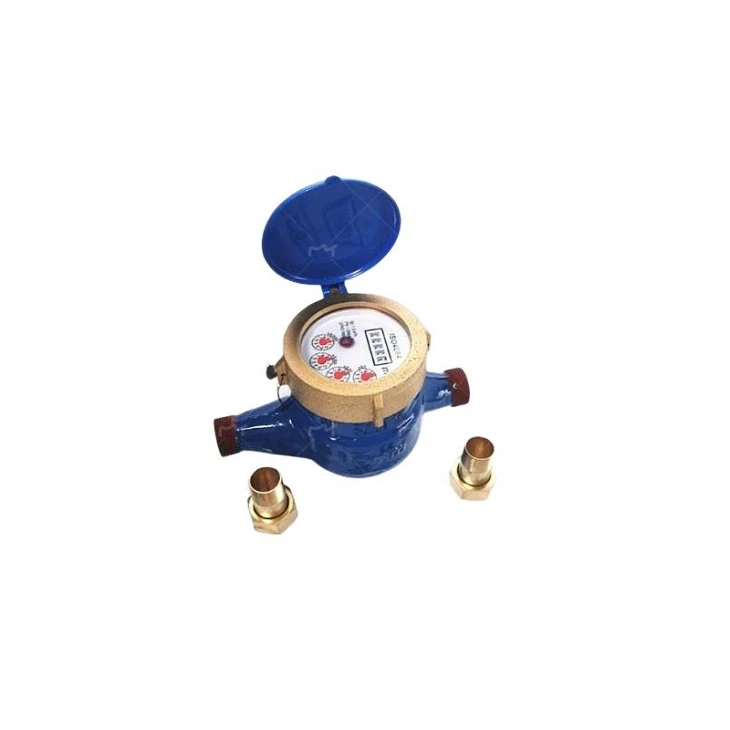
Lubricating the moving parts helps reduce friction, which in turn increases the lifespan of the meter. It also ensures that the internal components operate smoothly, leading to more accurate readings.
Environmental Considerations
The environment where the multi jet water meter is installed can have a big impact on its maintenance needs. For example, if the meter is installed in an area with a lot of dirt or dust, it might need more frequent cleaning.
Extreme temperatures can also be a problem. In cold climates, the water inside the meter can freeze, causing the meter to crack. To prevent this, you can insulate the meter. In hot climates, the heat can cause the materials in the meter to expand or contract, potentially affecting its accuracy. Some meters are designed to withstand a wide range of temperatures, but it's still a good idea to monitor the conditions.
Different Types of Multi Jet Water Meters and Their Maintenance
We offer different types of multi jet water meters, and each has its unique maintenance requirements.
Cast Iron Multijet Water Meter
The Cast Iron Multijet Water Meter is known for its durability. However, cast iron can rust over time, especially if it's exposed to moisture for long periods. Regularly inspect the cast iron casing for signs of rust. If you see any rust spots, you can use a wire brush to remove the loose rust and then apply a rust - resistant paint.
Brass Shell Dry Type Multi Jet Water Meter
The Brass Shell Dry Type Multi Jet Water Meter is corrosion - resistant, but the brass can tarnish. You can clean the brass shell with a brass cleaner to keep it looking good. Also, make sure to check the gaskets in this type of meter. Over time, the gaskets can wear out and cause leaks. Replace any worn - out gaskets promptly.
Plastic Multi Jet Water Meter
The Plastic Multi Jet Water Meter is lightweight and affordable. However, plastic can become brittle over time, especially when exposed to sunlight or harsh chemicals. If the meter is installed outdoors, protect it from direct sunlight. Avoid using any harsh chemicals near the plastic meter, as they can damage the casing.
When to Replace
Despite regular maintenance, there comes a time when you need to replace your multi jet water meter. If the meter has suffered severe damage, like a major crack or if it's no longer providing accurate readings even after calibration, it's probably time for a new one. Also, if the meter is very old and parts are becoming hard to find for repairs, replacement is the best option.
Contact Us for Your Multi Jet Water Meter Needs
If you're in the market for a new multi jet water meter or want to discuss maintenance further, we're here to help. We've got a wide selection of high - quality multi jet water meters to suit different needs and budgets. Whether you need a Cast Iron Multijet Water Meter, a Brass Shell Dry Type Multi Jet Water Meter, or a Plastic Multi Jet Water Meter, we can provide you with the right product. Contact us today to start a conversation about your water meter requirements.
References
- Manufacturer's manuals for multi jet water meters
- Industry best practices for water meter maintenance