

Hey there! As a supplier of Plastic Multi Jet Water Meters, I've seen my fair share of issues with these nifty little devices. In this blog post, I'm gonna walk you through some of the common problems you might encounter with plastic multi jet water meters and how you can deal with them.
1. Durability Concerns
One of the first things that come to mind when talking about plastic multi jet water meters is their durability. Plastic, as we all know, isn't as tough as materials like cast iron or brass. Over time, exposure to various environmental factors can take a toll on the plastic casing.
UV rays from the sun can cause the plastic to become brittle. If the water meter is installed outdoors, it's constantly bombarded by sunlight. This can lead to cracks in the casing, which not only affect the meter's appearance but also its functionality. Water can seep in through these cracks and damage the internal components.
Another durability issue is related to physical impact. Plastic is more prone to damage from accidental bumps or knocks compared to Cast Iron Multijet Water Meter. For example, if someone accidentally hits the meter while doing some gardening or construction work nearby, the plastic casing might crack or break. And once the casing is compromised, the meter is at risk of malfunctioning.
2. Accuracy Problems
Accuracy is crucial when it comes to water meters. After all, you want to know exactly how much water you're using. Unfortunately, plastic multi jet water meters can sometimes have issues with accuracy.
One factor that can affect accuracy is the build - up of debris and sediment in the water. Over time, tiny particles in the water can accumulate inside the meter. These particles can interfere with the movement of the jets and the measuring mechanism. As a result, the meter might start to give inaccurate readings. Sometimes it might overestimate the water usage, which means you could end up paying more than you actually should. Other times, it might underestimate, which could lead to under - billing in the short term but could cause problems for the water supply company in the long run.
Temperature changes can also impact the accuracy of plastic multi jet water meters. Plastic expands and contracts with temperature variations. When the temperature rises, the plastic casing expands, and when it drops, it contracts. This expansion and contraction can affect the internal components of the meter and cause inaccuracies in the readings.
3. Chemical Compatibility
The water that runs through the meter can contain various chemicals. Some of these chemicals might not be compatible with the plastic used in the water meter.
For instance, if the water has a high chlorine content, it can react with the plastic. Chlorine is a strong oxidizing agent, and it can break down the chemical bonds in the plastic over time. This can lead to a degradation of the plastic structure, making it weaker and more prone to damage.
Similarly, water with a high pH level can also cause problems. If the water is too acidic or too alkaline, it can corrode the plastic. This corrosion can not only damage the casing but also affect the internal components of the meter, leading to inaccurate readings or even complete failure.
4. Seal and Leakage Issues
The seals in a plastic multi jet water meter are essential for preventing water leakage. However, these seals can sometimes be a source of problems.
Plastic seals can dry out and become brittle over time. This is especially true if the meter is installed in an area with low humidity or high temperatures. Once the seals lose their flexibility, they can no longer provide a tight seal. As a result, water can leak from the meter. A small leak might not seem like a big deal at first, but over time, it can lead to significant water loss and inaccurate readings.
In addition, if the meter is not installed correctly, the seals might not be properly compressed. This can also cause leakage. For example, if the connections are not tightened enough during installation, water can seep out around the joints.
5. Fouling and Biofilm Formation
Water often contains microorganisms, and these can form a biofilm inside the plastic multi jet water meter. Biofilm is a thin layer of slime that consists of bacteria, fungi, and other microorganisms.
This biofilm can build up on the internal surfaces of the meter, including the jets and the measuring chamber. As the biofilm accumulates, it can restrict the flow of water through the meter. This not only affects the accuracy of the readings but can also cause the meter to work harder, potentially leading to premature wear and tear.
Fouling can also occur due to the deposition of minerals from the water. Hard water, which contains high levels of calcium and magnesium, can leave behind mineral deposits inside the meter. These deposits can clog the jets and disrupt the normal functioning of the meter.
Solutions to These Problems
Now that we've covered the common problems, let's talk about some solutions.
For durability issues, you can consider installing a protective cover for the water meter. This can shield it from direct sunlight and physical impacts. Additionally, choosing a high - quality plastic with UV inhibitors can also help improve the durability of the meter.
To maintain accuracy, regular maintenance is key. This includes flushing the meter periodically to remove any debris and sediment. You can also have the meter calibrated regularly by a professional.
When it comes to chemical compatibility, it's important to choose a plastic that is resistant to the chemicals present in the water. You can also install a water treatment system upstream of the meter to reduce the concentration of harmful chemicals in the water.
To prevent seal and leakage issues, make sure the meter is installed correctly by a qualified technician. Regularly inspect the seals for signs of wear and replace them if necessary.
To combat fouling and biofilm formation, you can use water treatment chemicals that are specifically designed to prevent the growth of microorganisms. You can also clean the meter regularly to remove any mineral deposits.
In conclusion, while plastic multi jet water meters have their advantages, such as being lightweight and cost - effective, they also come with some common problems. But with proper maintenance and the right solutions, you can ensure that your Plastic Multi Jet Water Meter works efficiently and accurately for a long time.
If you're in the market for a reliable water meter, we're here to help. We offer a wide range of high - quality Plastic Multi Jet Water Meter. Feel free to reach out if you have any questions or want to discuss your specific requirements. We're always happy to have a chat and see how we can assist you with your water metering needs, whether it's for residential or commercial use.

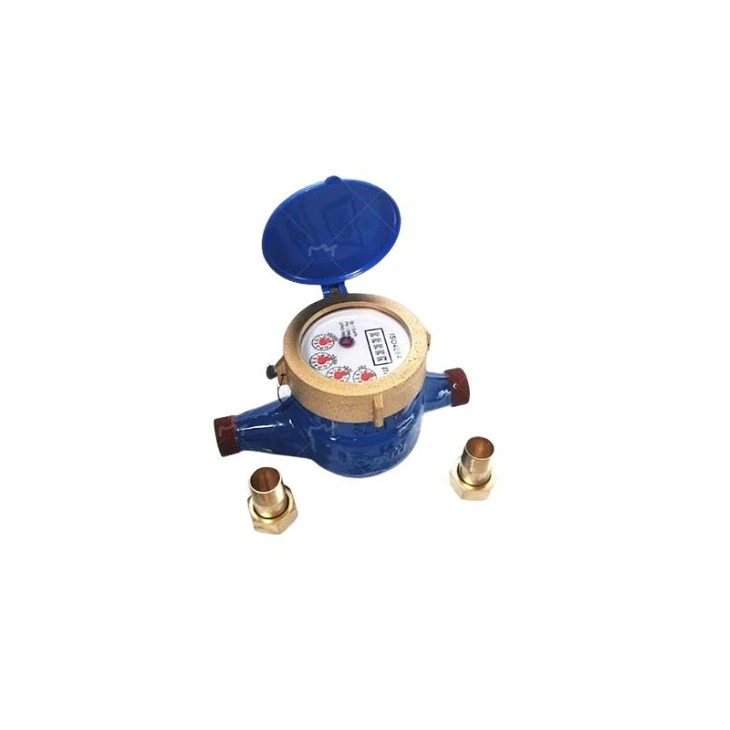
If you're also considering other types of multi - jet water meters, check out our Cast Iron Multijet Water Meter and Brass Shell Dry Type Multi Jet Water Meter options.
References
- Water Meter Handbook: A Guide to Selection, Installation, and Maintenance
- Journal of Water Resources and Management - Articles on Water Meter Technologies
- Manufacturer's Guides on Plastic Multi Jet Water Meters