

If you've ever stood in front of a residential water meter box, staring at the rotating dials that track your household's water use, chances are you were looking at a multi jet water meter. These meters are the unsung workhorses of water management, used in homes, apartments, and small commercial spaces across the globe to accurately measure water consumption. But not all multi jet meters are the same. As a supplier specializing in plastic multi jet water meters, I often get asked: what makes plastic models different from their metal counterparts, and how do these small devices actually work to keep our water use on track? Let's break it down, from the basic mechanics that power every multi jet meter to the unique advantages plastic brings to the table.
First, it helps to understand the core design that unites all multi jet water meters, regardless of material. Unlike single jet meters, which use a single jet of water to spin a turbine, multi jet meters split the incoming water flow into several smaller, equal jets. This might seem like a minor detail, but it's a critical choice for accuracy, especially at low flow rates-think the drip from a faucet or a washing machine filling slowly. Single jet meters can struggle to register small flows, leading to underbilling for users or unaccounted water waste for utilities. Multi jet meters, by contrast, distribute the water across multiple points, so even tiny flows generate enough force to move the internal components. That consistency is why they're the most common type of meter for residential and light commercial use.
Now, let's talk about the two main categories of multi jet meters, which are differentiated by how their internal mechanism is housed and protected. Wet type meters, for example, submerge the entire moving parts-including the measuring chamber and the gear train-in the flowing water. This design is simple, has fewer parts, and is easy to maintain, making it popular for cold water applications. If you're familiar with the link I'll share later, you'll know that brass shell wet type multi jet water meters are a staple for many older installations, prized for their durability in harsh water conditions. Dry type meters, on the other hand, seal the internal gears and dials in a separate compartment that doesn't come into contact with the water. The movement of the jets is transmitted to the dial via a magnetic or mechanical seal, which means the dials stay dry and easy to read, even in muddy or dirty water. Brass shell dry type multi jet water meters offer that same benefit, with the added protection of a brass casing that resists corrosion. For larger, high-flow applications, there are also cast iron multijet water meters, built to handle industrial or municipal water systems that put more stress on components. Each of these metal models has its place, but today I want to focus on why plastic multi jet water meters have become a go-to choice for many customers in recent years.
So, how does a plastic multi jet water meter actually work, step by step? Let's walk through the process as water flows through it, from the inlet to the outlet. When water enters the meter, it first passes through a strainer or flow straightener. This small component filters out debris like sediment, rust, or small particles that could scratch the internal parts and throw off accuracy, and it aligns the water flow so it's smooth and consistent as it moves into the measuring chamber. The measuring chamber is a small, circular space where the magic happens: it's divided into multiple small, angled nozzles, each directing a thin, high-velocity jet of water toward a light, propeller-like wheel called a turbine. This turbine is the heart of the meter's measurement system.
As each jet hits the turbine blades, it exerts a small amount of force, causing the turbine to spin. The key here is that the total speed of the turbine is proportional to the volume of water flowing through the meter. More water means faster spin; less water means slower spin. For plastic meters, this turbine is almost always made from a durable, food-grade plastic like polyacetal or ABS. These materials are rigid enough to maintain their shape for years, lightweight enough to spin easily even at low flows, and resistant to corrosion or degradation from chlorine or other chemicals in tap water. That's a big advantage over metal turbines, which can rust over time in hard water, leading to increased friction and slower spin rates that throw off readings.
Next, the turbine's rotation is translated into a measurement that we can read on the external dial. Here's where the design of the meter's internal housing comes in, and why some plastic multi jet meters are wet type or dry type. In a wet type plastic meter, the turbine is connected directly to a set of small gears that also sit inside the measuring chamber, submerged in water. These gears turn a series of numbered dials on the top of the meter, which display the total volume of water used, usually in cubic feet or liters. Because all the moving parts are in water, the gear train is simple, with fewer points of friction, which means the meter is highly sensitive to even small flows-ideal for measuring the slow drips that waste thousands of gallons of water each year.
In a dry type plastic meter, the turbine is not connected directly to the gears. Instead, the turbine has a small magnetic disc on its top, and the gears and dials are sealed in a dry compartment above the measuring chamber, separated by a non-magnetic cover. As the turbine spins, the magnetic disc pulls a matching magnetic disc in the dry compartment, turning the gears without any contact between the wet and dry parts. This design keeps the dials completely free of water, sediment, or debris, so they're always easy to read, even if the meter is buried in a damp utility box. It also eliminates the risk of water leaking into the dial compartment and damaging the numbers, which is a common issue with wet type meters installed in areas with high water pressure or fluctuating temperatures.
One question I get all the time is: how does plastic hold up compared to brass or cast iron, especially in terms of accuracy and lifespan? It's a fair question. For years, metal was the standard for water meter housings because it was seen as more durable. But modern plastics have come a long way. The plastic used in quality multi jet meters is specifically engineered to be NSF-approved for contact with drinking water, resistant to UV damage (so it can be installed above ground or in sun-exposed areas without cracking), and able to withstand pressure up to 160 psi-well above the typical residential water pressure of 40 to 80 psi. In fact, many plastic meters have a lifespan of 15 to 20 years, which is on par with metal meters, without the risk of corrosion.
Corrosion is a big one. Brass meters can develop pinhole leaks over time if the water in an area is acidic or has high levels of minerals. Cast iron meters, while strong, are prone to rust if they're not properly coated, leading to debris buildup that can clog the flow straightener or scratch the turbine. Plastic doesn't corrode at all, which means less maintenance and fewer unexpected leaks for homeowners and utilities. It's also lighter than metal, which makes it easier to install, especially in tight spaces like small apartment utility closets. And let's not forget cost: plastic multi jet water meters are often more affordable upfront than their metal counterparts, without sacrificing accuracy or reliability. That's why we've seen so many utilities and property managers switch to plastic meters in the last decade.
But accuracy is non-negotiable when it comes to water meters. If a meter reads too high, a user might overpay for water they didn't use. If it reads too low, a utility loses revenue. Multi jet meters, whether plastic or metal, are tested to meet strict standards set by organizations like the American Water Works Association (AWWA) and the International Organization for Standardization (ISO). The plastic multi jet water meters we supply undergo rigorous flow testing at every stage of production: we check that they accurately register flows as low as 0.01 gallons per minute (the flow of a small drip) up to their maximum rated flow, so they work no matter what the water use is. The multiple jets mean that the turbine spins smoothly, even at low speeds, so there's no "dead band" where small flows aren't registered. That level of consistency is why multi jet meters are preferred for residential use over other types like ultrasonic meters, which can be more expensive for small applications.
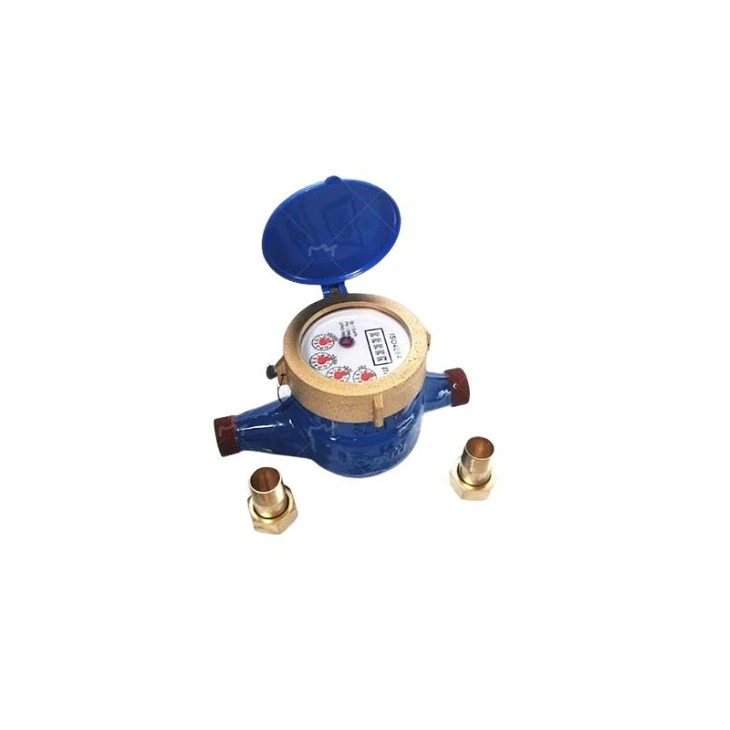

Another benefit of plastic multi jet meters is their design flexibility. Because plastic is easy to mold into custom shapes, we can design meters that fit specific installation needs, like compact sizes for mobile homes or meters with pulse outputs for smart water systems. Many modern plastic multi jet meters can be paired with remote reading devices, which transmit water use data to a utility or homeowner's app without needing to open the meter box. That makes it easier to track water use in real time, spot leaks early, and reduce water waste. We've worked with several smart home companies to integrate our plastic meters into their systems, and the feedback we've gotten is that the plastic housing holds up better than metal when exposed to the elements, and the small size fits neatly into smart device enclosures.
Of course, plastic meters aren't the right choice for every application. For large industrial or municipal water lines that carry high volumes of water, or for areas with extremely high water pressure, cast iron or brass meters are still the better option. Brass shell wet type multi jet water meters, for example, are often used in commercial buildings with high flow rates, where the extra strength of brass is needed. If you're working on a project in a coastal area with saltwater or very hard water, brass meters can resist corrosion better than plastic, though modern plastic formulations are becoming more resistant to these conditions too. Dry type brass meters are also a good pick for areas where the meter is exposed to a lot of dirt or debris, since the sealed dial compartment is less likely to get clogged. But for the vast majority of residential and small commercial applications, plastic multi jet meters offer a great balance of accuracy, durability, and value.
Now, let's circle back to how the plastic multi jet meter stands out from those metal alternatives. When you compare our plastic multi jet water meter to a brass or cast iron model, you'll notice a few key differences right away: it's lighter, it's molded into a single housing (instead of being multiple cast metal parts that need to be welded together), and it has no risk of internal rust. Internally, the turbine is made of a precision-molded plastic that's balanced perfectly to spin smoothly, even at low flows, and the gears are made of the same durable plastic, so there's no metal-on-metal wear that can cause friction over time. That reduced wear means the meter stays accurate longer, which saves both users and utilities money in the long run.
We've tested our plastic meters against industry standards and against competing metal models, and we've found that over a 10-year period, the plastic meters maintain their accuracy within ±2% of actual water use, which is well within the allowed range for residential meters. That consistency is hard to match with metal meters, which can lose accuracy as internal parts corrode or wear down. Another plus for users: plastic meters don't develop the "sticky" gears that metal meters sometimes get from mineral buildup. The smooth plastic surfaces resist sediment and scale, so the turbine keeps spinning freely, even in water with high mineral content.
As a supplier of plastic multi jet water meters, we've seen firsthand how these meters are changing the water industry. More and more property owners are choosing plastic meters because they're affordable, easy to install, and reliable. Utilities love them because they reduce maintenance costs, have a long lifespan, and help them accurately track water use, which is critical for managing water resources in an era of growing demand and drought. If you're in the market for a new water meter, whether for a single home or a large apartment complex, it's worth considering the plastic option. Of course, if you have a specific need for a metal meter, our site also has resources for brass shell wet type multi jet water meters, cast iron multijet water meters, and brass shell dry type multi jet water meters, so you can choose the right one for your project.
At the end of the day, a plastic multi jet water meter is a simple, clever piece of engineering. It takes the complex flow of water in your pipes, splits it into small, manageable jets, and turns that movement into a clear, accurate reading. The choice of plastic over metal isn't just about cost-it's about improving performance, reducing maintenance, and building a meter that works reliably for decades. Whether you're a homeowner looking to replace an old meter, a plumber working on a new construction project, or a utility manager updating your water infrastructure, understanding how these meters work can help you make the best choice for your needs.
If you're ready to learn more about our plastic multi jet water meters, or have questions about which type of meter is right for your application, we'd love to connect with you. We work with clients across residential, commercial, and industrial sectors, and we can help you find a meter that fits your specific requirements for accuracy, size, and durability. Don't hesitate to reach out to our team to start a conversation about your water metering needs.
References
American Water Works Association. (2020). Water Metering Manual. AWWA.
International Organization for Standardization. (2018). ISO 4064: Water meters for cold potable water and hot water – Measurement of consumption. ISO.
National Sanitation Foundation. (2021). NSF/ANSI 61: Drinking water system components – Health effects. NSF International.