

Hey there! I'm a supplier of Brass Volumetric Rotary Piston Water Meters, and today I wanna share some tips on how to maintain these nifty devices.
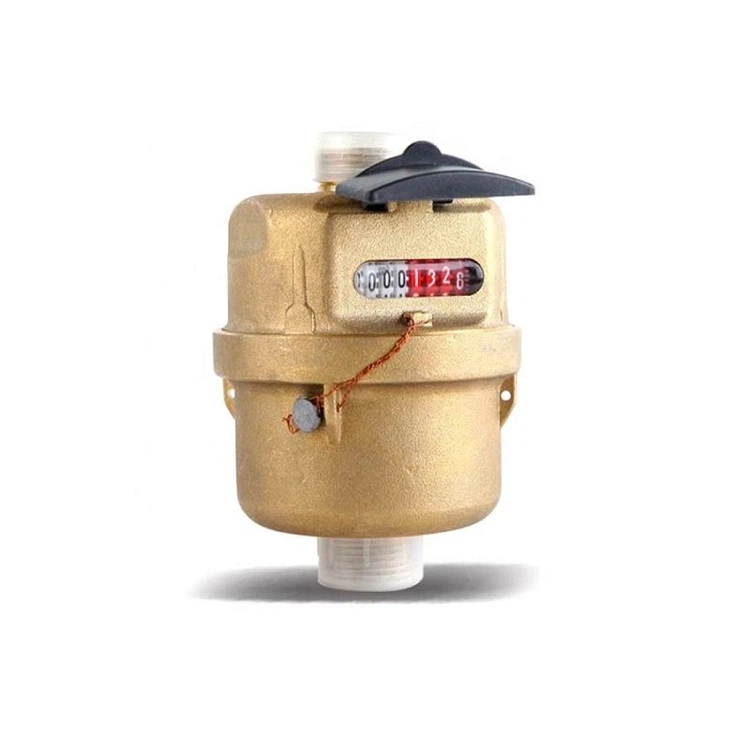
Let's kick things off by understanding what makes our Brass Volumetric Rotary Piston Water Meter so great. These meters are made of brass, which is tough and corrosion - resistant. They use a rotary piston mechanism to accurately measure the volume of water flowing through them. Whether it's in a residential building, a small business, or an industrial setting, these meters do an amazing job of keeping track of water usage.

Regular Visual Checks
The first step in maintaining your brass water meter is to do regular visual checks. You should take a look at the meter at least once a month. First, check the exterior of the meter. Look for any signs of damage, like dents, cracks, or scratches. A damaged brass casing can lead to water leaks or inaccurate readings. If you spot any damage, it's time to consider getting a replacement.
Next, check the display of the meter. The numbers should be clear and easy to read. If the display is hazy or if the numbers are fading, it could be a sign that there's an issue with the internal components. Sometimes, just a simple cleaning of the display window can fix this problem. You can use a soft, dry cloth to gently wipe the display.
Cleaning the Meter
Cleaning is a crucial part of maintaining your brass volumetric rotary piston water meter. Over time, dirt, debris, and sediment can build up inside the meter, which can affect its performance.
Start by turning off the water supply to the meter. This is really important to avoid any water spraying out while you're cleaning. Once the water is off, carefully remove the outer cover of the meter. Make sure you keep all the screws and parts in a safe place so you don't lose them.
Use a mild cleaning solution to clean the inside of the meter. You can mix a little bit of dish soap with warm water. Use a soft brush to gently scrub the interior parts, including the rotary piston. Be really gentle not to damage the piston or any other delicate components. After scrubbing, rinse everything thoroughly with clean water.
Once you've rinsed, dry all the parts completely before reassembling the meter. A bit of moisture left behind can cause rusting, especially in the brass parts.
Checking for Leaks
Leaks can be a big problem for water meters. Not only do they waste water, but they can also damage the meter itself over time. To check for leaks, turn off all the water sources in your building and then look at the flow indicator on the meter. If the indicator is still moving, it means there's a leak somewhere in the system.
Start by checking the connections around the meter. Make sure the pipes are tightly connected to the meter. If you notice any water dripping from the connections, you can try tightening the nuts or bolts. But be careful not to over - tighten them, as this can damage the brass fittings.
If you can't find the leak at the connections, you might need to call a professional plumber. They have the right tools and expertise to locate and fix hidden leaks.
Lubrication
Lubrication is another important aspect of maintaining the rotary piston. The piston needs to move smoothly to ensure accurate water measurement. You should use a high - quality lubricant that's suitable for brass and water - related applications.
Before applying the lubricant, make sure the piston is clean and dry. Apply a small amount of lubricant to the moving parts of the piston. Don't use too much, as excess lubricant can attract dirt and debris. After applying the lubricant, slowly rotate the piston a few times to make sure the lubricant is evenly distributed.
Storage (If Needed)
Sometimes, you might need to store the meter for a while. Maybe you're renovating a building and you need to remove the meter temporarily. In such cases, proper storage is essential.
First, clean the meter thoroughly before storing it. Make sure there's no dirt or moisture left on it. Then, wrap the meter in a protective material, like a plastic bag or a soft cloth, to prevent scratches.
Store the meter in a cool, dry place. Avoid places that are prone to high humidity or temperature fluctuations, as these can cause damage to the brass and the internal components.
Comparing with Plastic Meters
You might be wondering how our Brass Volumetric Rotary Piston Water Meter compares to the Plastic Volumetric Rotary Piston Water Meter. Well, brass meters are more durable and can withstand higher pressures and tougher environmental conditions. Plastic meters are generally cheaper and lighter, but they're not as strong as brass ones.
If you're in an area with harsh water conditions or high water pressure, a brass meter is definitely the way to go. But if cost is a major concern and the water conditions are relatively mild, a plastic meter could be a viable option.
Why Maintenance Matters
Proper maintenance of your brass volumetric rotary piston water meter is not just about keeping it in good working condition. It also helps in ensuring accurate water measurement. An inaccurate meter can lead to over - or under - billing, which can be a headache for both consumers and water suppliers.
Moreover, a well - maintained meter has a longer lifespan. This means you won't have to replace it as often, saving you both time and money in the long run.
Contact Us for Your Purchase
If you're in the market for a new Brass Volumetric Rotary Piston Water Meter or need any parts and accessories for maintenance, we're here to help. Feel free to reach out to us to discuss your requirements. We've got a wide range of meters and the expertise to assist you in finding the right one for your needs.
References
- "Water Meter Handbook", Industry - standard publication on water meters.
- "Maintenance Guide for Volumetric Meters", Published by a leading water meter association.