

As a supplier of Wet Brass Single Jet Water Meters, I often receive inquiries about the optimal temperature range for these devices. Understanding the temperature limits is crucial for ensuring accurate measurements, durability, and overall performance of the water meters. In this blog post, I will delve into the temperature range suitable for wet brass single jet water meters, explaining the reasons behind these limits and how they impact the functionality of the meters.
Understanding Wet Brass Single Jet Water Meters
Before discussing the temperature range, it's essential to understand what wet brass single jet water meters are. These meters are widely used for measuring water consumption in residential, commercial, and industrial settings. The term "wet" refers to the fact that the measuring element is immersed in the water being measured. The brass construction provides durability and resistance to corrosion, making these meters suitable for long - term use. The single jet design means that the water flow is directed onto a single impeller, which rotates proportionally to the volume of water passing through the meter.
The Ideal Temperature Range
The ideal temperature range for a wet brass single jet water meter typically falls between 0°C (32°F) and 50°C (122°F). This range is carefully determined based on the physical properties of the materials used in the meter and the principles of fluid dynamics involved in water measurement.
Lower Temperature Limit (0°C or 32°F)
The lower temperature limit of 0°C is primarily due to the risk of water freezing. When water freezes, it expands, which can cause significant damage to the internal components of the water meter. The brass housing may crack, and the impeller and other moving parts can be damaged or even rendered inoperable. Once the meter is damaged by freezing, it will no longer provide accurate measurements, and in some cases, it may need to be replaced entirely.
In regions where temperatures can drop below freezing, special precautions must be taken to protect the water meters. This can include insulating the meters, burying them underground at a sufficient depth, or using heating elements to prevent the water inside from freezing.
Upper Temperature Limit (50°C or 122°F)
The upper temperature limit of 50°C is set to prevent several issues related to the materials and the measurement accuracy. At higher temperatures, the viscosity of water decreases, which can affect the rotation of the impeller. The impeller is calibrated to rotate at a specific rate based on the normal viscosity of water within the recommended temperature range. If the water temperature is too high, the impeller may rotate faster than it should for a given volume of water, leading to inaccurate readings.
Moreover, high temperatures can also cause the brass material to expand. Excessive expansion can lead to misalignment of the internal components, such as the impeller and the measuring chamber. This misalignment can further disrupt the accuracy of the water measurement. Additionally, high temperatures can accelerate the corrosion process of the brass, reducing the lifespan of the water meter.
Impact of Temperature Outside the Recommended Range
When the temperature of the water being measured falls outside the recommended range, several problems can occur:
Inaccurate Measurements
As mentioned earlier, both extremely low and high temperatures can lead to inaccurate measurements. At low temperatures, the freezing of water can stop the impeller from rotating, resulting in a reading of zero even if water is flowing. At high temperatures, the change in water viscosity and the expansion of materials can cause the meter to over - or under - estimate the water consumption.
Reduced Lifespan
Exposure to temperatures outside the recommended range can significantly reduce the lifespan of the wet brass single jet water meter. Freezing can cause immediate physical damage, while high temperatures can lead to long - term issues such as corrosion and material fatigue. This means that the meter may need to be replaced more frequently, increasing the overall cost for the user.
Operational Issues
In addition to measurement inaccuracies and reduced lifespan, extreme temperatures can also cause operational issues. For example, at low temperatures, the water may become more viscous, making it harder for the impeller to rotate smoothly. At high temperatures, the lubricants used in the moving parts may break down, leading to increased friction and wear.
Applications in Different Climates
Wet brass single jet water meters are used in a variety of climates around the world. In temperate climates, where the temperature usually stays within the recommended range, these meters can operate effectively without much additional protection. However, in regions with extreme climates, special considerations are necessary.
In cold climates, such as those in northern Russia, extra insulation and heating systems are often installed to protect the water meters from freezing. Our Russian Market Single Jet Water Meter is designed with features to withstand colder temperatures and ensure accurate measurements even in harsh winter conditions.
In hot climates, like desert regions, measures are taken to shade the water meters and prevent them from being exposed to direct sunlight for extended periods. This helps to keep the water temperature within the acceptable range. Additionally, our Plastic Single Jet Water Meter may be a suitable alternative in some cases, as plastic has different thermal properties compared to brass and can tolerate slightly higher temperatures in certain applications.
Ensuring Optimal Performance
To ensure the optimal performance of wet brass single jet water meters, it is essential to monitor the temperature of the water being measured and take appropriate measures to keep it within the recommended range. This can include installing temperature sensors near the meters and using control systems to adjust the water temperature if necessary.

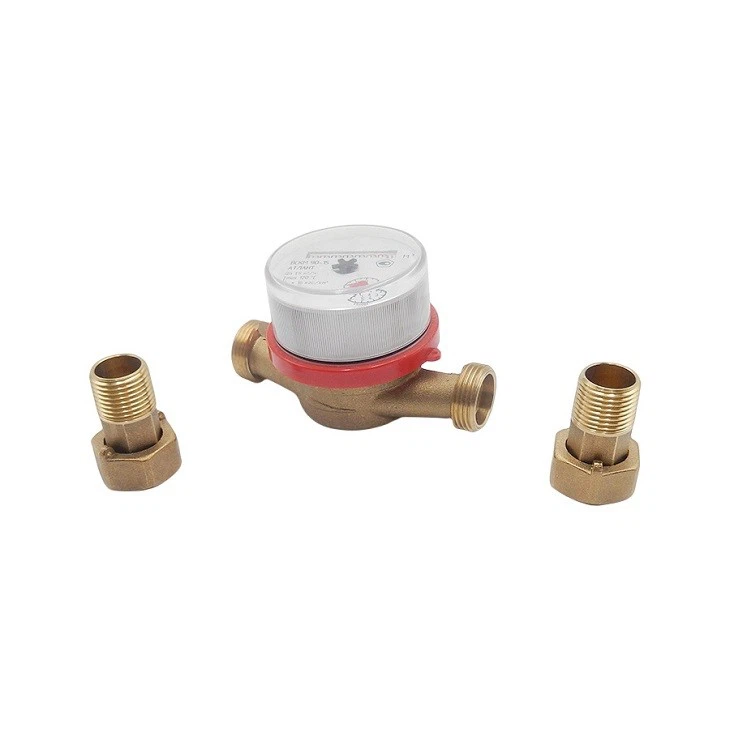
Regular maintenance is also crucial. Inspecting the meters for signs of damage, corrosion, or wear can help identify potential issues early and prevent them from escalating. Cleaning the meters periodically can also ensure that the impeller rotates freely and that the measurement accuracy is maintained.
Conclusion
In conclusion, the temperature range of 0°C to 50°C is the ideal operating range for wet brass single jet water meters. Staying within this range is essential for accurate measurements, long - term durability, and reliable operation. As a supplier of Wet Brass Single Jet Water Meter, we are committed to providing high - quality products that can perform well within this temperature range. If you are in need of wet brass single jet water meters or have any questions about their temperature requirements, please feel free to contact us for more information and to discuss your specific needs. We look forward to the opportunity to work with you and provide you with the best water metering solutions.
References
- "Water Meter Handbook" - A comprehensive guide on the principles, design, and operation of water meters.
- Manufacturer's specifications for wet brass single jet water meters.
- Research papers on the effects of temperature on fluid dynamics and material properties in water metering applications.