

Hey there! As a supplier of Cast Iron Multijet Water Meters, I often get asked about the maximum pressure these meters can withstand. It's a crucial question, especially for those in the water management industry or anyone looking to install a reliable water - metering system. So, let's dive right in and explore this topic in detail.
Understanding Cast Iron Multijet Water Meters
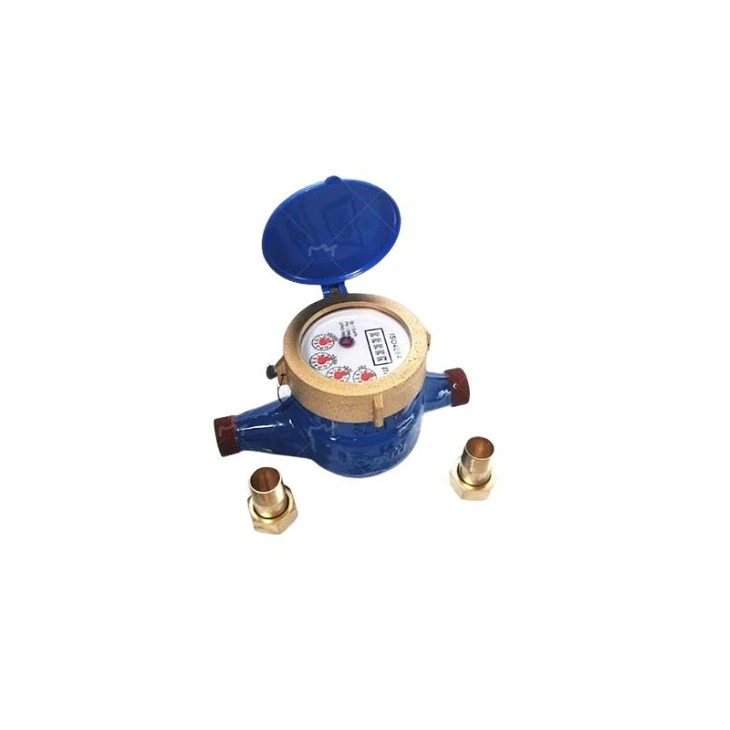
First off, let's quickly go over what a Cast Iron Multijet Water Meter is. These meters are designed to measure the volume of water flowing through a pipeline. They use multiple jets of water to drive a turbine, which is connected to a mechanical or electronic register that displays the water consumption. Cast iron is used for the meter body because it's strong, durable, and resistant to corrosion, making it suitable for a wide range of applications.
You can check out more details about our Cast Iron Multijet Water Meter on our website. It's a product that we're really proud of, and it's been serving our customers well for a long time.
Factors Affecting the Maximum Pressure
The maximum pressure a Cast Iron Multijet Water Meter can handle isn't a fixed number. It depends on several factors.
Meter Design and Construction
The internal design of the meter plays a huge role. A well - engineered meter with a sturdy internal structure can withstand higher pressures. For example, the bearings that support the turbine need to be able to handle the forces exerted by the high - pressure water flow. If the bearings are of poor quality or not properly designed, they can wear out quickly under high pressure, leading to inaccurate readings or even meter failure.
The thickness of the cast - iron shell also matters. A thicker shell can better resist the pressure from the water inside the meter. Manufacturers usually design the shell thickness based on the expected maximum pressure in the intended applications.
Material Quality
The quality of the cast iron used is crucial. High - quality cast iron has better mechanical properties, such as higher tensile strength and hardness. This means it can withstand more stress without cracking or deforming. Cheaper or lower - quality cast iron may have impurities or a less uniform structure, which can weaken the meter's ability to handle high pressures.
Installation Conditions
How the meter is installed can also affect its pressure - handling capacity. If the meter is installed in a way that causes excessive stress on the meter body, such as being bent or twisted during installation, it can reduce the maximum pressure it can withstand. Also, proper support and alignment of the meter in the pipeline are essential. If the pipeline vibrates a lot due to improper installation, it can put additional stress on the meter and potentially damage it.
Typical Maximum Pressure Ratings
In general, most Cast Iron Multijet Water Meters on the market are designed to withstand pressures ranging from 10 to 16 bar. However, some high - end models can handle pressures up to 25 bar or even more.
A pressure rating of 10 bar is suitable for many residential and small - commercial applications. In these settings, the water pressure is usually relatively low, and a meter with a 10 - bar rating can provide accurate and reliable measurements.
For larger commercial or industrial applications, where the water pressure can be higher, a meter with a higher pressure rating is needed. For example, in some industrial processes, the water pressure may reach 15 - 20 bar, so a meter rated for 25 bar would be a better choice to ensure long - term reliability.
Comparing with Other Types of Water Meters
It's interesting to compare the pressure - handling capabilities of Cast Iron Multijet Water Meters with other types of water meters.
Brass Shell Dry Type Multi Jet Water Meter
The Brass Shell Dry Type Multi Jet Water Meter is another popular option. Brass is a softer metal compared to cast iron. Generally, brass shell meters have a lower maximum pressure rating, usually around 10 - 12 bar. They are more suitable for applications where the water pressure is relatively low and corrosion resistance is also important.
Plastic Multi Jet Water Meter
Plastic Multi Jet Water Meters are lightweight and cost - effective. However, plastic is not as strong as cast iron or brass. These meters typically have the lowest maximum pressure ratings, often in the range of 6 - 10 bar. They are commonly used in residential applications with low - pressure water systems.
Testing and Certification
To ensure the reliability of our Cast Iron Multijet Water Meters, we conduct rigorous testing. We test the meters under different pressure conditions to make sure they can meet or exceed their rated pressure. Our meters also go through various certification processes to comply with international standards.
Certifications such as ISO 4064 ensure that the meters are accurate, reliable, and can handle the specified pressures. When you buy a meter from us, you can be confident that it has been thoroughly tested and meets all the necessary quality standards.

Importance of Choosing the Right Pressure - Rated Meter
Choosing the right pressure - rated Cast Iron Multijet Water Meter is crucial. If you install a meter with a lower pressure rating than the actual water pressure in your system, it can lead to several problems.
The meter may get damaged quickly, which means you'll have to replace it more often, increasing your costs. Inaccurate readings can also occur, which can lead to billing disputes or incorrect water management. On the other hand, if you choose a meter with a much higher pressure rating than necessary, you may end up paying more for a feature you don't really need.
Conclusion
So, to sum it up, the maximum pressure a Cast Iron Multijet Water Meter can withstand depends on factors like design, material quality, and installation conditions. Most meters can handle pressures between 10 - 16 bar, but high - end models can go up to 25 bar or more.
If you're in the market for a water meter and need help choosing the right one for your application, don't hesitate to reach out. We're here to assist you in making the best decision for your water - metering needs. Whether it's for a residential, commercial, or industrial project, we have the expertise and the products to meet your requirements. Contact us today to start the procurement process and get a meter that will serve you reliably for years to come.
References
- ISO 4064: International Standard for Water Meters
- Industry reports on water meter technology and performance