

Hey there! As a supplier of residential water meters, I've seen firsthand how various factors can affect the performance of these devices. One factor that often gets overlooked is the presence of air in the water. In this blog post, I'll dive into what the effect of air in the water is on a residential water meter and why it matters.
What Causes Air in the Water?
Before we get into the effects, let's talk about what causes air to be in the water in the first place. There are a few common reasons:
1. Pipe Maintenance
When pipes are repaired or installed, air can get trapped inside. For example, if a section of pipe is replaced, air might enter the system during the process. Once the water starts flowing again, this trapped air moves through the pipes along with the water.
2. Water Source Changes
If there are changes in the water source, such as switching from a well to a municipal supply, air can be introduced. The different pressure and flow characteristics of the new source can cause air to mix with the water.
3. Leaks
Leaks in the water supply system can also allow air to enter. A small crack in a pipe might let air seep in, and as the water moves, it carries this air along.
How Air Affects Residential Water Meters
Now, let's get to the main question: what effect does air in the water have on a residential water meter?
1. Over - Registration
One of the most significant effects is over - registration. When air bubbles are present in the water, the water meter can mistake them for water. The meter measures the volume of fluid passing through it, and since air takes up space, it can cause the meter to record a higher volume of water than is actually being used.
For instance, imagine a Wet Brass Single Jet Water Meter. This type of meter works by the flow of water turning a turbine or a piston. When air bubbles pass through, they can make the turbine or piston move as if there were more water. This leads to the meter showing a larger consumption, which means the homeowner will be billed for more water than they've actually used.
2. Inaccurate Measurement
Air can also cause inaccurate measurement in general. The presence of air can disrupt the smooth flow of water through the meter. In a Brass Single Jet Water Meter, the single - jet design relies on a consistent flow of water to accurately measure the volume. Air bubbles can create turbulence and uneven flow, making it difficult for the meter to measure the water volume precisely.
This inaccuracy can be a problem for both the homeowner and the water utility. Homeowners end up paying more, and water utilities might have inaccurate data about water consumption, which can affect their planning and resource management.
3. Wear and Tear
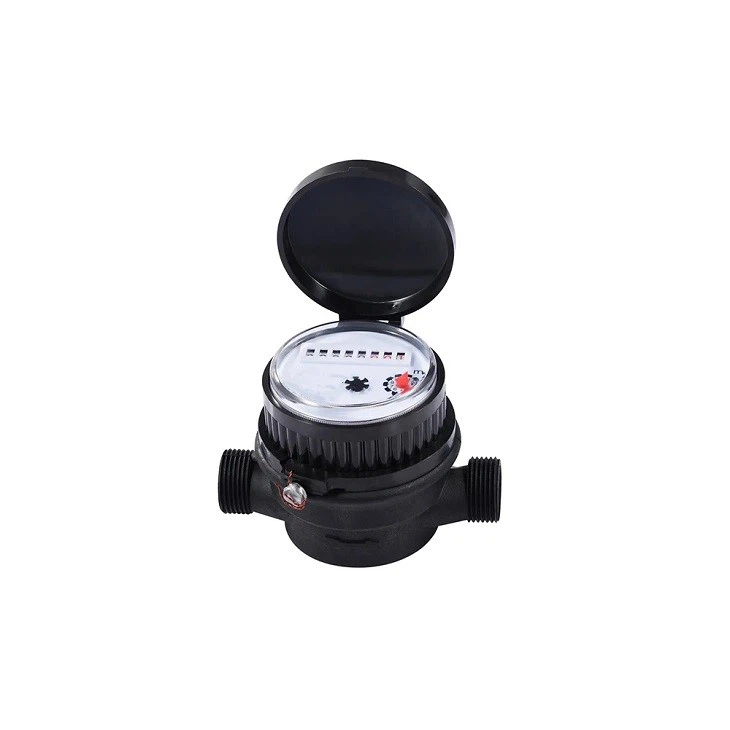
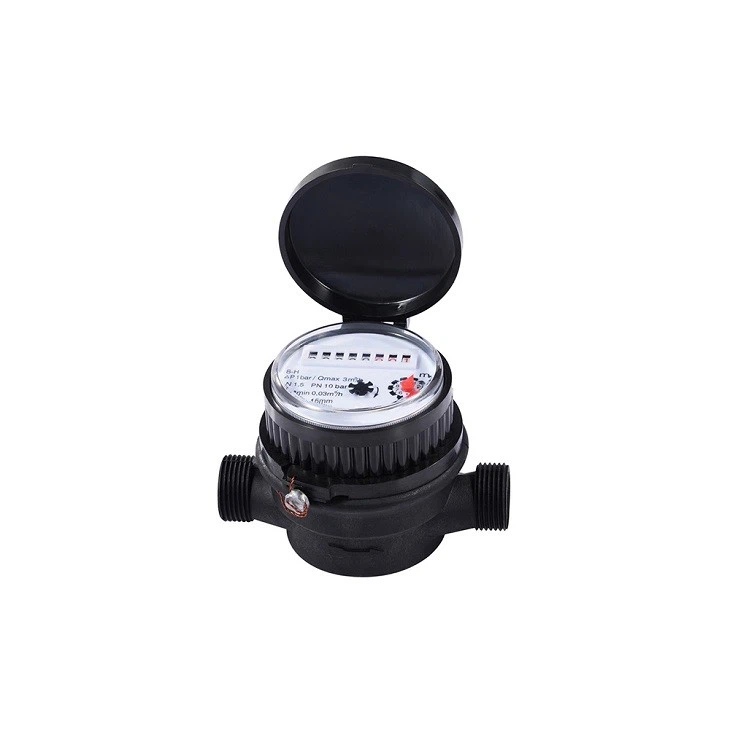
The presence of air in the water can also increase the wear and tear on the water meter. The air bubbles can cause additional stress on the moving parts of the meter. For example, in a Plastic Single Jet Water Meter, the plastic components might be more prone to damage from the impact of air bubbles. Over time, this can lead to the meter malfunctioning or having a shorter lifespan.
Detecting and Dealing with Air in the Water
Detecting Air
There are a few ways to detect if there is air in the water. One simple method is to observe the water flowing from a faucet. If you see a lot of bubbles or the water appears cloudy, it's likely that there is air in the system. Another way is to check the water meter readings. If there are sudden spikes in consumption without a corresponding increase in water use, air might be the culprit.
Dealing with Air
To deal with air in the water, there are a few solutions. One option is to install an air - separator device in the water supply system. This device is designed to remove air bubbles from the water before it reaches the water meter. Another solution is to bleed the air from the pipes. This can be done by opening all the faucets in the house and letting the water run for a while to flush out the air.
Why This Matters for Homeowners and Water Utilities
For homeowners, an inaccurate water meter due to air in the water means higher water bills. No one wants to pay more than they should, so it's important to address this issue. For water utilities, inaccurate meter readings can lead to problems in managing the water supply. They rely on accurate data to plan for future water needs, allocate resources, and set rates.
Conclusion
As a supplier of residential water meters, I understand the importance of ensuring accurate meter readings. Air in the water can have a significant impact on the performance of water meters, leading to over - registration, inaccurate measurement, and increased wear and tear. By being aware of the causes, detection methods, and solutions for air in the water, homeowners and water utilities can take steps to address this issue.
If you're in the market for a reliable residential water meter, whether it's a Wet Brass Single Jet Water Meter, a Brass Single Jet Water Meter, or a Plastic Single Jet Water Meter, feel free to reach out for more information and to discuss your specific needs. We're here to help you get the most accurate and reliable water measurement possible.
References
- "Water Meter Handbook" by the American Water Works Association
- "Residential Water System Troubleshooting Guide" by various industry experts