

As a supplier of Woltman water meters, I've witnessed firsthand the diverse needs and preferences of customers when it comes to water metering solutions. In this blog, I'll delve into the differences between Woltman water meters and other types of water meters, shedding light on their unique features, applications, and advantages.
Understanding Water Meters
Before we explore the differences, let's briefly understand the basic function of water meters. Water meters are devices used to measure the volume of water consumed. They play a crucial role in various sectors, including residential, commercial, and industrial, helping to monitor water usage, manage resources, and bill customers accurately.
Types of Water Meters
There are several types of water meters available in the market, each with its own set of characteristics and applications. Some of the most common types include:
Positive Displacement (PD) Water Meters
Positive displacement water meters are one of the oldest and most reliable types of water meters. They operate by measuring the volume of water passing through the meter by trapping and releasing discrete volumes of water. PD meters are highly accurate for low-flow applications, making them ideal for residential and small commercial use. However, they can be prone to wear and tear over time, especially in high-flow or dirty water conditions.
Turbine Water Meters
Turbine water meters use a spinning turbine to measure the flow of water. As water passes through the meter, it causes the turbine to rotate, and the speed of rotation is proportional to the flow rate. Turbine meters are relatively simple and cost-effective, making them suitable for a wide range of applications, including residential, commercial, and industrial. However, they can be affected by changes in water viscosity and temperature, and they may require regular maintenance to ensure accurate readings.

Ultrasonic Water Meters
Ultrasonic water meters use ultrasonic waves to measure the flow of water. They work by sending ultrasonic signals through the water and measuring the time it takes for the signals to travel upstream and downstream. Ultrasonic meters are non-intrusive, which means they do not have any moving parts in contact with the water, making them highly reliable and low-maintenance. They are also accurate over a wide range of flow rates and can be used in both clean and dirty water applications. However, they can be more expensive than other types of water meters, especially for large-diameter applications.
Woltman Water Meters
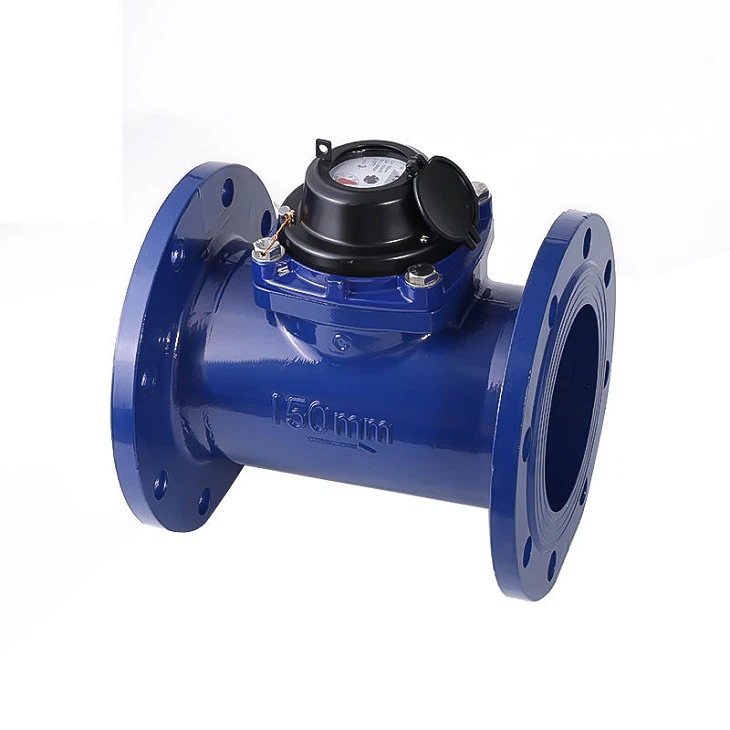
Woltman water meters, also known as multi-jet water meters, are a type of turbine water meter that uses a large-diameter impeller to measure the flow of water. They are designed for high-flow applications, such as industrial and commercial use, and are known for their accuracy, reliability, and durability. Woltman meters are available in both fixed and Removable Woltman Water Meter configurations, making them suitable for a wide range of installation requirements.
Differences between Woltman Water Meters and Other Types of Water Meters
Now that we have a basic understanding of the different types of water meters, let's explore the key differences between Woltman water meters and other types of water meters:
Flow Rate Capacity
One of the main differences between Woltman water meters and other types of water meters is their flow rate capacity. Woltman meters are designed for high-flow applications, with flow rates ranging from a few cubic meters per hour to several thousand cubic meters per hour. This makes them ideal for industrial and commercial use, where large volumes of water need to be measured accurately. In contrast, positive displacement and turbine water meters are typically designed for low to medium flow rates, making them more suitable for residential and small commercial applications.
Accuracy
Another important difference between Woltman water meters and other types of water meters is their accuracy. Woltman meters are known for their high accuracy, especially at high flow rates. They are designed to provide accurate measurements over a wide range of flow conditions, making them suitable for applications where precise water measurement is critical. In contrast, positive displacement and turbine water meters may be less accurate at high flow rates, and they may require regular calibration to maintain their accuracy.
Durability
Woltman water meters are also known for their durability and reliability. They are designed to withstand harsh environmental conditions, including high pressure, high temperature, and dirty water. Woltman meters are typically made of high-quality materials, such as stainless steel or cast iron, which makes them resistant to corrosion and wear. In contrast, positive displacement and turbine water meters may be more prone to damage and wear over time, especially in harsh operating conditions.
Installation and Maintenance
Woltman water meters are relatively easy to install and maintain. They are available in both fixed and removable configurations, making them suitable for a wide range of installation requirements. Woltman meters also require minimal maintenance, as they do not have any moving parts in contact with the water. In contrast, positive displacement and turbine water meters may require more frequent maintenance, including cleaning and calibration, to ensure accurate readings.
Applications of Woltman Water Meters
Due to their unique features and advantages, Woltman water meters are widely used in a variety of applications, including:
Industrial Applications
Woltman water meters are commonly used in industrial applications, such as manufacturing, power generation, and chemical processing. They are used to measure the flow of water in large pipes and to monitor water consumption in industrial processes. Woltman meters are also used in industrial wastewater treatment plants to measure the flow of wastewater and to ensure compliance with environmental regulations.
Commercial Applications
Woltman water meters are also used in commercial applications, such as hotels, hospitals, and shopping malls. They are used to measure the flow of water in large buildings and to monitor water consumption in commercial facilities. Woltman meters are also used in commercial irrigation systems to measure the flow of water and to ensure efficient water use.
Municipal Applications
Woltman water meters are widely used in municipal applications, such as water supply and distribution systems. They are used to measure the flow of water in large pipes and to monitor water consumption in residential, commercial, and industrial areas. Woltman meters are also used in municipal wastewater treatment plants to measure the flow of wastewater and to ensure compliance with environmental regulations.
Conclusion
In conclusion, Woltman water meters offer several advantages over other types of water meters, including high flow rate capacity, accuracy, durability, and ease of installation and maintenance. They are designed for high-flow applications, such as industrial and commercial use, and are known for their reliability and performance. If you are looking for a water meter that can provide accurate and reliable measurements in high-flow applications, then a Woltman water meter may be the right choice for you.
If you have any questions or would like to learn more about our Woltman water meters, please feel free to contact us. We would be happy to discuss your specific requirements and help you choose the right water meter for your application.
References
- ISO 4064-1:2014, Water meters for cold potable water and hot water - Part 1: Meters for closed full conduits - Specification
- AWWA C700-16, Standard for Water Meters
- IEC 62052-11:2018, Electricity metering equipment (AC) - General requirements, tests and test conditions - Part 11: Metering equipment