

As a supplier of Mechanical Irrigation Water Meters, I've been frequently asked about the differences between mechanical irrigation water meters and water flow sensors. In this blog post, I'll delve into the key distinctions between these two devices, exploring their working principles, applications, advantages, and limitations.
Working Principles
Mechanical irrigation water meters operate on a simple yet effective mechanical principle. Typically, they contain moving parts such as impellers or turbines that are set in motion by the flowing water. As water passes through the meter, it causes the impeller or turbine to rotate. The rotation speed is directly proportional to the flow rate of the water. This rotation is then translated into a measurement of the volume of water that has passed through the meter, usually displayed on a mechanical dial.
On the other hand, water flow sensors employ a variety of technologies to measure water flow. Some common types include ultrasonic, electromagnetic, and vortex shedding sensors. Ultrasonic sensors work by sending ultrasonic waves through the water. The time it takes for the waves to travel upstream and downstream is measured, and the difference in these times is used to calculate the flow rate. Electromagnetic sensors, on the other hand, rely on Faraday's law of electromagnetic induction. When water, which is a conductor, flows through a magnetic field created by the sensor, a voltage is generated. This voltage is proportional to the flow rate of the water. Vortex shedding sensors detect the frequency of vortices formed as water flows past a bluff body. The frequency of these vortices is related to the flow rate of the water.
Applications
Mechanical irrigation water meters are widely used in agricultural irrigation systems. They are suitable for measuring the total volume of water used for irrigation purposes over a period of time. These meters are often installed at the main water source or at the entrance of individual irrigation zones. They provide accurate volume measurements, which are essential for billing purposes, water management, and ensuring that crops receive the right amount of water.
Water flow sensors, on the other hand, have a broader range of applications. In addition to irrigation, they are commonly used in industrial processes, such as chemical manufacturing, food and beverage production, and water treatment plants. In industrial settings, accurate and real-time flow rate measurements are crucial for process control, quality assurance, and safety. Water flow sensors are also used in building automation systems to monitor and control water usage in commercial and residential buildings.
Advantages
One of the main advantages of mechanical irrigation water meters is their simplicity and reliability. They have been used for many years and have a proven track record of accurate volume measurement. These meters are relatively inexpensive compared to some types of water flow sensors, making them a cost-effective solution for agricultural applications. They are also easy to install and maintain, with few electronic components that could malfunction.
Water flow sensors, however, offer several advantages over mechanical irrigation water meters. They can provide real-time flow rate measurements, which are essential for monitoring and controlling processes in real time. This allows for more precise control of water usage and can help prevent water wastage. Many water flow sensors also have a wide range of measurement capabilities, making them suitable for measuring both low and high flow rates. Additionally, some sensors can be integrated with data logging and communication systems, allowing for remote monitoring and control.
Limitations
Mechanical irrigation water meters do have some limitations. The moving parts in these meters can wear out over time, especially in harsh environments with high sediment or debris content in the water. This can lead to inaccurate measurements or even meter failure. Mechanical meters also have a relatively slow response time, which means they may not be suitable for applications that require rapid changes in flow rate to be detected.
Water flow sensors, on the other hand, can be more expensive than mechanical irrigation water meters, especially high-precision sensors used in industrial applications. They also require a power source to operate, which can be a limitation in remote or off-grid locations. Some types of water flow sensors, such as ultrasonic sensors, may be affected by the presence of air bubbles or sediment in the water, which can reduce their measurement accuracy.
Making the Right Choice
When choosing between a mechanical irrigation water meter and a water flow sensor, several factors need to be considered. If you are primarily interested in measuring the total volume of water used for irrigation and cost is a major concern, a mechanical irrigation water meter may be the best choice. These meters are reliable and easy to use, making them a popular option for agricultural applications.

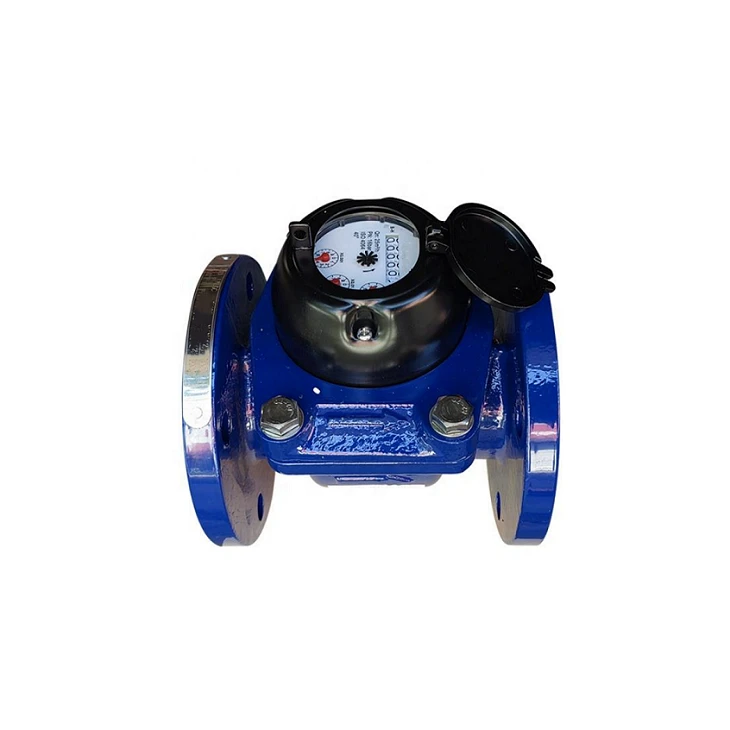
However, if you need real-time flow rate measurements, precise control of water usage, or the ability to integrate the device with a data logging or communication system, a water flow sensor may be more suitable. Water flow sensors offer greater flexibility and functionality, but they also come with a higher price tag and may require more maintenance.
Conclusion
In conclusion, mechanical irrigation water meters and water flow sensors both play important roles in water measurement and management. While mechanical irrigation water meters are well-suited for agricultural applications where volume measurement is the primary concern, water flow sensors offer more advanced features and are better suited for industrial and building automation applications. As a supplier of Mechanical Irrigation Water Meters, I can help you determine the best solution for your specific needs. If you have any questions or are interested in purchasing our products, please feel free to contact us for a consultation and further information.
References
- "Water Metering Handbook." International Water Association.
- "Flow Measurement Handbook: Industrial Designs, Operating Principles, Performance, and Applications." Richard W. Miller.