

Hey there! As a supplier of irrigation water meters, I often get asked about the calibration process for these important devices. In this blog post, I'll break down what calibration is, why it's crucial, and the steps involved in calibrating an irrigation water meter.
What is Calibration?
Calibration is essentially the process of adjusting and verifying the accuracy of a measuring instrument. In the case of an irrigation water meter, it ensures that the meter is accurately measuring the volume of water flowing through it. Just like you'd want your bathroom scale to give you an accurate weight reading, an irrigation water meter needs to provide precise measurements of water usage. This is important for a variety of reasons, from ensuring fair billing to managing water resources efficiently.
Why is Calibration Important for Irrigation Water Meters?
Accurate water measurement is vital in the world of irrigation. Farmers, landscapers, and other users rely on these meters to know exactly how much water they're using. Incorrect measurements can lead to over - or under - watering, which can have serious consequences. Over - watering can waste water, increase costs, and even damage crops or landscapes. Under - watering, on the other hand, can lead to poor plant growth and reduced yields.
From a financial perspective, accurate water metering is essential for fair billing. Water suppliers need to charge customers based on the actual amount of water they consume. If a meter is inaccurate, it can result in incorrect bills, which can lead to disputes between suppliers and customers.

Types of Irrigation Water Meters
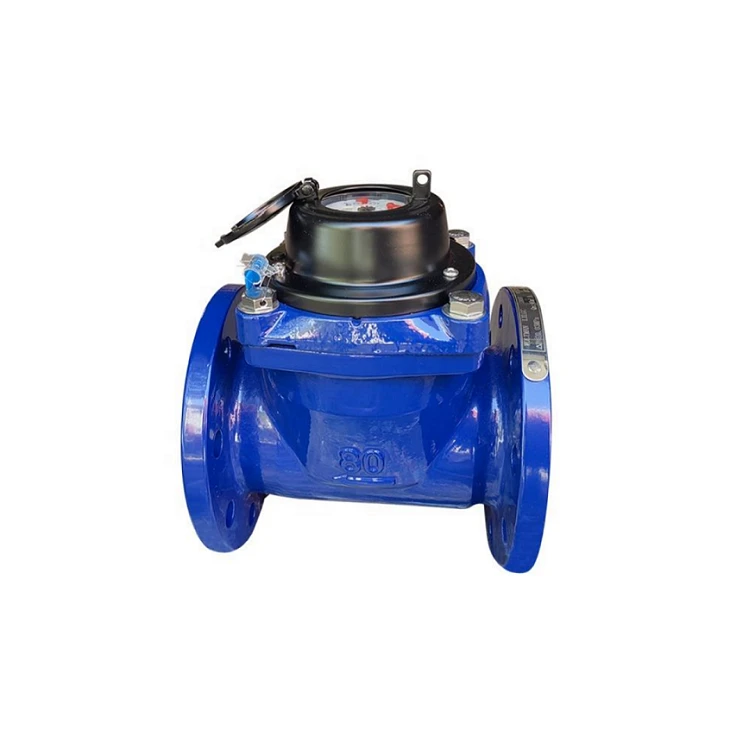
Before we dive into the calibration process, let's briefly talk about the different types of irrigation water meters. One common type is the Mechanical Irrigation Water Meter. These meters use mechanical components, such as gears and rotors, to measure the flow of water. They're relatively simple in design and have been used for many years.
There are also electronic water meters, which use sensors and digital technology to measure water flow. These meters often offer higher accuracy and additional features, such as remote monitoring and data logging.
The Calibration Process
Step 1: Pre - calibration Inspection
The first step in the calibration process is to conduct a pre - calibration inspection of the water meter. This involves visually examining the meter for any signs of damage, wear, or debris. We check the meter's housing, connections, and any visible components to make sure everything is in good working condition. If there are any issues, such as a cracked housing or a loose connection, they need to be addressed before calibration can proceed.
We also check the meter's installation to ensure it's in the correct position and orientation. Incorrect installation can affect the meter's accuracy. For example, if a meter is installed at an angle or in a location with turbulent water flow, it may not measure the water accurately.
Step 2: Selection of Calibration Equipment
Once the pre - calibration inspection is complete, we need to select the appropriate calibration equipment. This typically includes a reference standard, which is a highly accurate measuring device that we use to compare the performance of the irrigation water meter. The reference standard could be a volumetric tank or a master meter that has been calibrated to a known accuracy.
We also need to use a flow control system to regulate the flow of water through the meter during calibration. This system allows us to set different flow rates and ensure a stable flow of water.
Step 3: Initial Testing
Before making any adjustments, we conduct an initial test of the water meter. We connect the meter to the calibration equipment and start the flow of water at a known flow rate. The meter records the volume of water that passes through it, and we compare this measurement to the measurement from the reference standard.
If the meter's measurement is within an acceptable tolerance range, it may not need any adjustment. However, if there's a significant difference between the meter's measurement and the reference standard, we need to proceed with the adjustment process.
Step 4: Adjustment
If the initial test shows that the meter is inaccurate, we need to make adjustments to bring it back into calibration. The adjustment process depends on the type of water meter. For mechanical water meters, we may need to adjust the gears or other mechanical components to change the meter's measurement characteristics.
For electronic water meters, we can often make adjustments using software or calibration settings. These adjustments are usually made based on the difference between the meter's measurement and the reference standard.
Step 5: Repeat Testing
After making the adjustments, we repeat the testing process at different flow rates. This is important because a water meter needs to be accurate across a range of flow rates. We test the meter at low, medium, and high flow rates to ensure that it provides accurate measurements in all conditions.
If the meter's measurements are still outside the acceptable tolerance range after the first adjustment, we may need to make further adjustments and repeat the testing process until the meter is accurately calibrated.
Step 6: Final Verification and Documentation
Once the meter has passed the repeat testing at all flow rates, we conduct a final verification to confirm that it's accurately calibrated. We compare the meter's measurements to the reference standard one last time to make sure everything is within the acceptable tolerance range.
After the final verification, we document the calibration process. This includes recording the initial test results, the adjustments made, the repeat test results, and the final verification results. This documentation is important for quality control and for providing proof of calibration to customers.
Maintaining Calibration
Calibration isn't a one - time thing. To ensure continued accuracy, irrigation water meters need to be calibrated regularly. The frequency of calibration depends on several factors, such as the type of meter, the operating conditions, and the requirements of the water supplier or regulatory agency.
In general, mechanical water meters may need to be calibrated every 1 - 3 years, while electronic water meters may have a longer calibration interval, such as every 3 - 5 years. However, if a meter is exposed to harsh conditions, such as high - pressure water or a lot of debris, it may need to be calibrated more frequently.
Conclusion
Calibrating an irrigation water meter is a crucial process that ensures accurate water measurement. It helps to prevent water waste, ensures fair billing, and promotes efficient water management. As a supplier of irrigation water meters, we take calibration seriously and follow a strict process to ensure that our meters are accurate and reliable.
If you're in the market for an irrigation water meter or need calibration services for your existing meters, don't hesitate to reach out. We're here to help you find the right meter for your needs and ensure that it's accurately calibrated. Whether you're a farmer looking to manage your water usage more efficiently or a water supplier looking to provide accurate billing, we've got you covered.
References
- American Water Works Association (AWWA) standards for water meter calibration.
- Manufacturer's guidelines for irrigation water meter calibration.