

As a supplier of volumetric rotary piston water meters, I've seen firsthand how important it is for these meters to be accurate. After all, the accuracy of water meters directly impacts both consumers and utility providers. In this blog post, I'll share some of the key factors that can affect the accuracy of a volumetric rotary piston water meter.
1. Water Quality
One of the most significant factors that can influence the accuracy of a volumetric rotary piston water meter is the quality of the water flowing through it. Water that contains a high level of impurities, such as sand, silt, or rust, can cause wear and tear on the internal components of the meter. Over time, this wear can lead to inaccurate readings.
For example, sand particles can scratch the surfaces of the rotary pistons and the measuring chamber. These scratches can disrupt the smooth movement of the pistons, causing them to stick or move unevenly. As a result, the meter may not accurately measure the volume of water passing through it.
Chemicals in the water can also have a negative impact on the meter's accuracy. Corrosive substances, like chlorine or acidic compounds, can corrode the metal parts of the meter. This corrosion can change the dimensions of the components, affecting the meter's calibration and ultimately leading to inaccurate readings.
To mitigate the effects of poor water quality, it's often necessary to install filters upstream of the water meter. These filters can remove larger particles and some chemicals, protecting the meter from damage and ensuring more accurate measurements.
2. Flow Rate
The flow rate of water through the meter is another crucial factor. Volumetric rotary piston water meters are designed to operate within a specific range of flow rates. If the flow rate is too low, the pistons may not move smoothly or may not move at all. This can result in under - registration of the water volume, meaning the meter will show less water usage than is actually occurring.
On the other hand, if the flow rate is too high, the pistons may move too quickly. At high flow rates, the water may not have enough time to fill the measuring chambers completely, or the pistons may experience excessive forces that can cause them to bounce or vibrate. This can lead to over - registration of the water volume, where the meter shows more water usage than is real.
It's essential to select a water meter with a flow rate range that matches the expected usage in the application. For example, in a residential setting, the flow rate is typically lower compared to an industrial or commercial setting. Choosing the right meter for the flow rate ensures more accurate measurements.
3. Temperature
Temperature can also play a role in the accuracy of a volumetric rotary piston water meter. Water expands and contracts with changes in temperature. When the water temperature increases, the volume of water for a given mass increases. If the meter is not calibrated to account for these temperature - related volume changes, it can lead to inaccurate readings.
In addition, temperature can affect the physical properties of the meter's components. For instance, different materials expand and contract at different rates when exposed to temperature changes. If the meter is made of multiple materials, such as metal and plastic, the differential expansion can cause misalignment of the internal parts. This misalignment can disrupt the normal operation of the pistons and affect the meter's accuracy.
Some advanced water meters are equipped with temperature compensation features. These features adjust the meter's readings based on the water temperature, ensuring more accurate measurements regardless of the temperature variations.
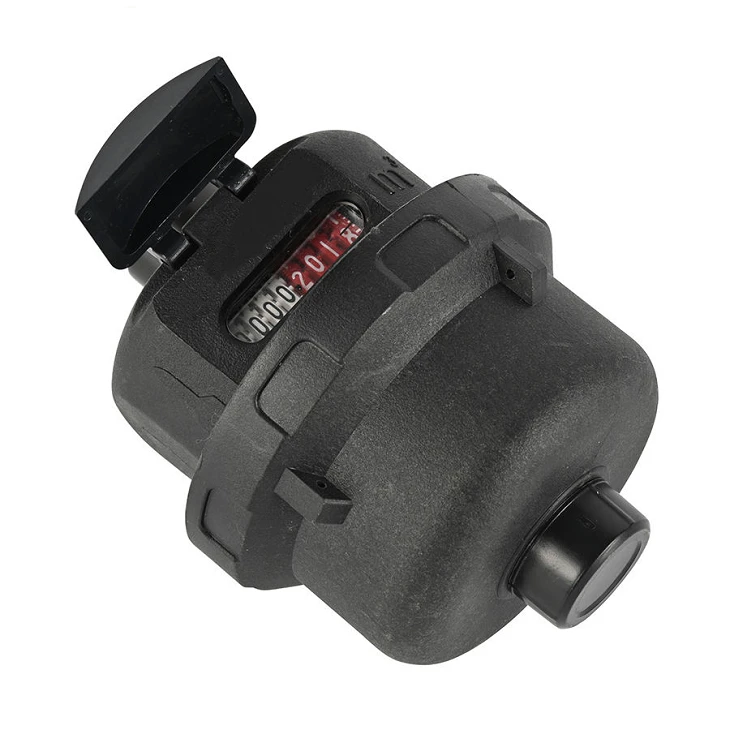

4. Installation
Proper installation is vital for the accurate operation of a volumetric rotary piston water meter. If the meter is not installed correctly, it can lead to inaccurate readings. For example, if the meter is installed at an angle instead of being perfectly horizontal, the pistons may not move freely. Gravity can affect the movement of the pistons, causing them to stick or move unevenly, which will result in inaccurate volume measurements.
The pipes connected to the meter also need to be properly sized and aligned. If the pipes are too small or too large, it can cause changes in the flow rate and pressure within the meter. Additionally, misaligned pipes can create turbulence in the water flow, which can disrupt the normal operation of the pistons.
It's also important to ensure that there are no air pockets in the pipes before and after the meter. Air pockets can cause the pistons to move erratically, leading to inaccurate readings. Bleeding the air from the pipes during installation can help prevent this issue.
5. Meter Age and Wear
Over time, all mechanical devices experience wear and tear, and volumetric rotary piston water meters are no exception. As the meter ages, the internal components, such as the pistons, seals, and bearings, can wear out. This wear can change the dimensions of the components and reduce their efficiency.
For example, worn seals can allow water to leak past the pistons, which means the meter will not accurately measure the volume of water passing through it. Worn bearings can cause the pistons to rotate less smoothly, leading to inaccurate readings.
Regular maintenance and calibration can help extend the life of the meter and maintain its accuracy. However, eventually, the meter may need to be replaced when the wear becomes too severe.
Our Product Offerings
At our company, we offer a range of high - quality volumetric rotary piston water meters. We have Brass Volumetric Rotary Piston Water Meter, which are known for their durability and resistance to corrosion. These brass meters are suitable for a variety of applications, including residential and commercial settings.
We also provide Plastic Volumetric Rotary Piston Water Meter. These plastic meters are lightweight, cost - effective, and can be a great option for applications where weight and cost are important considerations.
Conclusion
In conclusion, several factors can affect the accuracy of a volumetric rotary piston water meter, including water quality, flow rate, temperature, installation, and meter age and wear. By understanding these factors, consumers and utility providers can take steps to ensure the accurate operation of their water meters.
If you're in the market for a reliable volumetric rotary piston water meter, we'd love to talk to you. Whether you need a brass or plastic meter, we have the products to meet your needs. Contact us to discuss your requirements and get a quote. We're here to help you find the best water meter solution for your application.
References
- "Water Metering Handbook" by the American Water Works Association
- "Principles of Flow Measurement" by Richard W. Miller