

As a leading cold water meter supplier, I often receive inquiries from customers about the legal regulations surrounding cold water meters. In this blog post, I will delve into the topic and provide a comprehensive overview of the legal requirements and standards that govern cold water meters.
The Importance of Legal Regulations
Legal regulations for cold water meters play a crucial role in ensuring the accuracy, reliability, and safety of water meters. These regulations are put in place to protect the interests of both consumers and water utilities. By adhering to these regulations, water meter manufacturers can ensure that their products meet the necessary quality standards and provide accurate measurements of water consumption.
For consumers, legal regulations provide assurance that the water meters installed in their homes or businesses are accurate and reliable. This helps to prevent overbilling and ensures that consumers are only paying for the water they actually use. Additionally, regulations can also help to protect consumers from potential health and safety hazards associated with faulty water meters.
For water utilities, legal regulations are essential for maintaining the integrity of their water distribution systems. Accurate water metering is crucial for managing water resources effectively, detecting leaks, and ensuring that water is being distributed fairly. By enforcing regulations on water meters, utilities can ensure that they are able to provide high-quality water services to their customers.
International and National Standards
There are several international and national standards that govern the design, manufacture, and installation of cold water meters. These standards provide guidelines and requirements for various aspects of water meter performance, including accuracy, durability, and safety.
International Standards
One of the most widely recognized international standards for water meters is the International Organization for Standardization (ISO) 4064. This standard specifies the requirements for volumetric cold water meters with a nominal diameter not exceeding 50 mm and a maximum flow rate not exceeding 16 m³/h. ISO 4064 covers aspects such as accuracy classes, metering characteristics, construction requirements, and testing methods.
Another important international standard is the European Standard EN 14154, which applies to volumetric cold water meters with a nominal diameter of up to 200 mm. This standard sets out the requirements for the design, construction, and performance of water meters, including accuracy, repeatability, and durability.
National Standards
In addition to international standards, many countries have their own national standards for cold water meters. These standards may be based on international standards but may also include additional requirements or specifications that are specific to the country's regulatory environment.
For example, in the United States, the American Water Works Association (AWWA) has developed standards for water meters, including AWWA C700 for cold water meters. These standards cover various aspects of water meter design, construction, and performance, and are widely used by water utilities and manufacturers in the United States.
In China, the national standard GB/T 778 for cold water meters specifies the requirements for the design, manufacture, and testing of water meters. This standard is mandatory for all water meters sold in China and ensures that water meters meet the necessary quality and performance standards.
Regulatory Requirements
In addition to standards, there are also regulatory requirements that govern the use of cold water meters. These requirements may vary depending on the country or region, but typically include aspects such as metering accuracy verification, installation requirements, and maintenance and calibration procedures.
Metering Accuracy Verification
One of the key regulatory requirements for cold water meters is the verification of metering accuracy. This involves testing the water meter to ensure that it is providing accurate measurements of water consumption within the specified accuracy class. Metering accuracy verification is typically carried out at the factory during the manufacturing process and may also be required periodically after installation to ensure that the meter continues to perform accurately over time.
Installation Requirements
Regulatory requirements also often include specific installation requirements for cold water meters. These requirements may include guidelines on the location of the meter, the type of piping and fittings to be used, and the installation procedures to be followed. Proper installation is essential for ensuring the accurate performance of the water meter and for preventing leaks and other problems.
Maintenance and Calibration Procedures
Regular maintenance and calibration of cold water meters are also important regulatory requirements. Maintenance procedures may include cleaning the meter, checking for leaks, and inspecting the meter for any signs of damage or wear. Calibration involves adjusting the meter to ensure that it is providing accurate measurements of water consumption. The frequency of maintenance and calibration may vary depending on the type of meter and the regulatory requirements of the country or region.
Our Compliance as a Cold Water Meter Supplier
As a cold water meter supplier, we are committed to complying with all relevant legal regulations and standards. We understand the importance of providing high-quality, accurate, and reliable water meters to our customers, and we take every step to ensure that our products meet the necessary requirements.
Product Design and Manufacturing
Our cold water meters are designed and manufactured in accordance with international and national standards, including ISO 4064 and EN 14154. We use advanced manufacturing processes and high-quality materials to ensure the accuracy, durability, and reliability of our meters. Our manufacturing facilities are equipped with state-of-the-art testing equipment to verify the performance of our meters and to ensure that they meet the required accuracy classes.
Quality Control
We have a rigorous quality control system in place to ensure that every water meter that leaves our factory meets the highest standards of quality and performance. Our quality control process includes multiple stages of testing and inspection, from raw material inspection to final product testing. We also conduct regular audits and reviews of our manufacturing processes to identify and address any potential quality issues.
Regulatory Compliance
We stay up-to-date with all relevant legal regulations and standards and ensure that our products are fully compliant. We work closely with regulatory authorities and industry associations to ensure that we are aware of any changes or updates to the regulations and that we can make the necessary adjustments to our products and processes accordingly.
Conclusion
In conclusion, there are indeed legal regulations for cold water meters, and these regulations play a vital role in ensuring the accuracy, reliability, and safety of water meters. International and national standards provide guidelines and requirements for various aspects of water meter performance, while regulatory requirements govern aspects such as metering accuracy verification, installation requirements, and maintenance and calibration procedures.
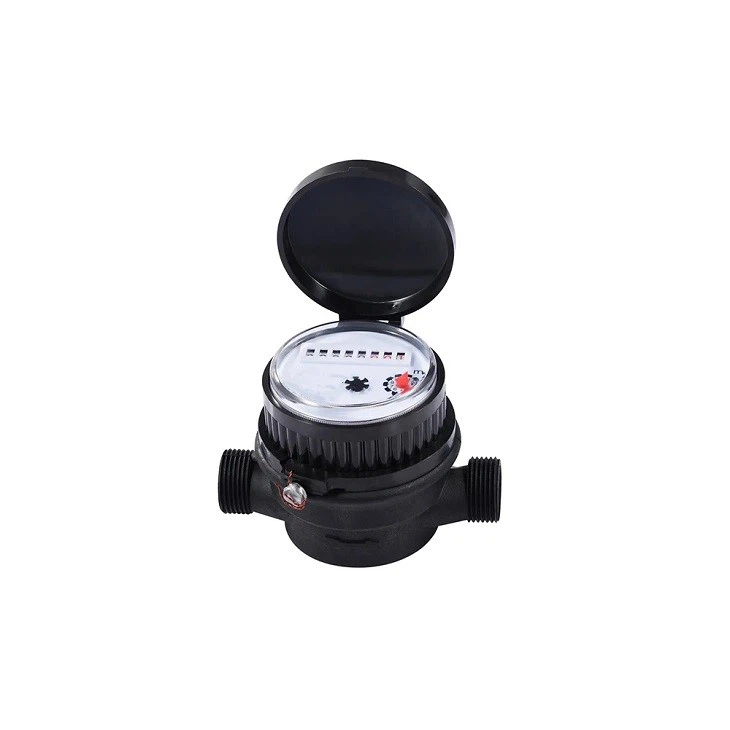
As a cold water meter supplier, we are committed to complying with all relevant legal regulations and standards. We understand the importance of providing high-quality, accurate, and reliable water meters to our customers, and we take every step to ensure that our products meet the necessary requirements. If you are in need of a cold water meter, you can trust our Plastic Single Jet Water Meter to provide accurate and reliable measurements of your water consumption.