

Hey there! As a supplier of volumetric rotary piston water meters, I often get asked about the power source of these nifty devices. So, let's dive right in and explore what makes these water meters tick.
First off, a volumetric rotary piston water meter is a type of positive displacement water meter. It's designed to accurately measure the volume of water that passes through it. These meters are commonly used in residential, commercial, and industrial settings to keep track of water consumption.
Now, the power source of a volumetric rotary piston water meter is actually quite simple - it's the water itself! That's right, the flow of water through the meter is what powers its operation. When water enters the meter, it causes a piston or a set of pistons to rotate. This rotation is then translated into a measurement of the volume of water that has passed through the meter.
Let's take a closer look at how this works. Inside the meter, there's a chamber with a piston or pistons. As water flows into the chamber, it pushes against the piston, causing it to move. The piston is connected to a mechanical or electronic counting mechanism that keeps track of the number of rotations. Each rotation corresponds to a specific volume of water, and the total number of rotations gives us the total volume of water that has passed through the meter.
One of the great things about using water as the power source is that it's completely self - sufficient. There's no need for an external power supply like electricity or batteries. This makes volumetric rotary piston water meters reliable and low - maintenance. They can operate continuously as long as there's water flowing through them, which is ideal for long - term water monitoring.
Another advantage is that this design allows for very accurate measurements. Since the movement of the piston is directly related to the volume of water passing through, the meter can provide precise readings even at low flow rates. This is crucial for accurate billing and water management.
There are different materials used in the construction of volumetric rotary piston water meters. For example, you can find Brass Volumetric Rotary Piston Water Meter. Brass is a popular choice because it's durable, resistant to corrosion, and can handle a wide range of water pressures and temperatures. It's often used in applications where reliability and longevity are important, such as in industrial and commercial settings.
On the other hand, Plastic Volumetric Rotary Piston Water Meter is also available. Plastic meters are lightweight, cost - effective, and can be a good option for residential use. They're also resistant to some chemicals and can be suitable for certain types of water sources.
However, it's important to note that the performance of these meters can be affected by factors such as water quality. If the water contains a lot of sediment, debris, or chemicals, it can cause wear and tear on the piston and other internal components. This might lead to inaccurate measurements over time. That's why it's a good idea to have proper water filtration systems in place to protect the meters.
In addition, the installation of the meter also plays a role in its performance. It should be installed in a location where the water flow is stable and free from turbulence. Incorrect installation can cause the piston to move erratically, resulting in inaccurate readings.

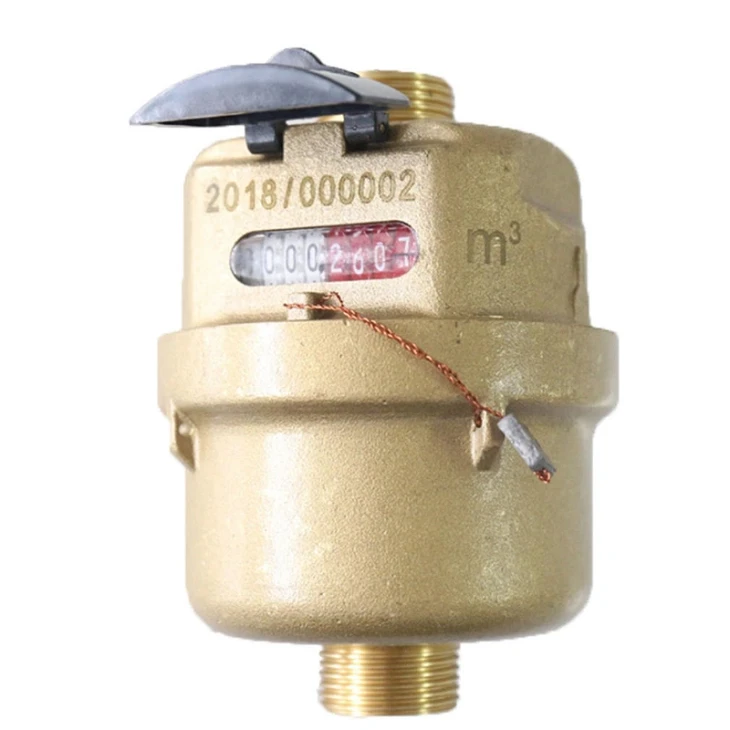
So, if you're in the market for a volumetric rotary piston water meter, whether it's for a new construction project, a replacement, or an upgrade, we've got you covered. Our meters are designed to provide accurate and reliable water measurement, and we offer a range of options to suit different needs and budgets.
If you're interested in learning more about our products or have any questions regarding the power source, installation, or maintenance of volumetric rotary piston water meters, don't hesitate to reach out. We're here to help you make the right choice for your water measurement needs. Let's start a conversation about how our water meters can benefit your project.
References
- "Water Metering Handbook", various industry experts' contributions
- Technical manuals from water meter manufacturers