

As a trusted supplier of hot water meters, I often receive inquiries from customers regarding the installation distance between a hot water meter and other pipeline components. This is a crucial aspect of the installation process that can significantly impact the accuracy and longevity of the meter. In this blog post, I will delve into the scientific principles behind determining the appropriate installation distance, providing you with the knowledge you need to ensure a successful installation.
The Importance of Installation Distance
The installation distance between a hot water meter and other pipeline components is not arbitrary; it is based on several factors that affect the meter's performance. These factors include the flow characteristics of the water, the type of meter being used, and the presence of any disturbances in the pipeline.
When water flows through a pipeline, it forms a flow profile that can be affected by various factors such as bends, valves, and other components. These disturbances can cause the water to flow unevenly, leading to inaccurate readings on the meter. By maintaining a proper installation distance, we can ensure that the water flow is stable and uniform when it reaches the meter, minimizing the impact of these disturbances.
Factors Affecting Installation Distance
Flow Characteristics
The flow characteristics of the water, such as its velocity and turbulence, play a significant role in determining the installation distance. Higher flow velocities and more turbulent flows require a greater installation distance to allow the water to stabilize before reaching the meter. This is because turbulent flows can cause the water to swirl and eddy, which can disrupt the meter's internal mechanisms and lead to inaccurate readings.
Meter Type
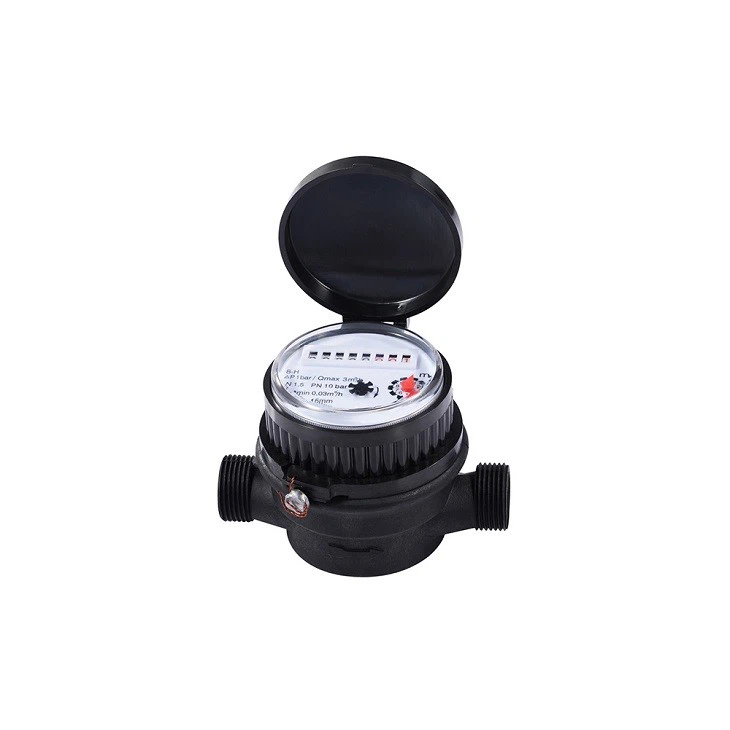
Different types of hot water meters have different requirements for installation distance. For example, single jet water meters, such as our Wet Brass Single Jet Water Meter, Russian Market Single Jet Water Meter, and Plastic Single Jet Water Meter, are more sensitive to flow disturbances than multi-jet or turbine meters. As a result, they typically require a greater installation distance to ensure accurate readings.
Pipeline Components
The presence of other pipeline components, such as bends, valves, and filters, can also affect the installation distance. Bends and valves can cause the water to change direction suddenly, creating turbulence and disrupting the flow profile. Filters, on the other hand, can restrict the flow of water, leading to pressure drops and changes in the flow velocity. To minimize the impact of these components, it is important to maintain a sufficient installation distance between the meter and the nearest pipeline component.
Recommended Installation Distances
Based on industry standards and best practices, the following are the recommended installation distances for hot water meters:
Upstream Distance
The upstream distance refers to the distance between the meter and the nearest pipeline component located upstream (i.e., before the meter). This distance is typically recommended to be at least 10 times the diameter of the pipeline. For example, if the pipeline has a diameter of 50 mm, the upstream distance should be at least 500 mm.
Downstream Distance
The downstream distance refers to the distance between the meter and the nearest pipeline component located downstream (i.e., after the meter). This distance is typically recommended to be at least 5 times the diameter of the pipeline. For example, if the pipeline has a diameter of 50 mm, the downstream distance should be at least 250 mm.
It is important to note that these are general recommendations and may need to be adjusted based on the specific conditions of your installation. For example, if the pipeline has a high flow velocity or is subject to significant turbulence, you may need to increase the installation distances to ensure accurate readings.
Installation Considerations
In addition to maintaining the recommended installation distances, there are several other considerations that you should keep in mind when installing a hot water meter:
Level Installation
The meter should be installed in a level position to ensure accurate readings. A tilted meter can cause the water to flow unevenly through the meter, leading to inaccurate readings.
Accessibility
The meter should be installed in a location that is easily accessible for maintenance and inspection. This will allow you to check the meter's performance regularly and make any necessary adjustments or repairs.

Protection from Damage
The meter should be protected from physical damage, such as impact or vibration. This can be achieved by installing the meter in a protective enclosure or by using vibration isolation mounts.
Conclusion
Determining the appropriate installation distance between a hot water meter and other pipeline components is essential for ensuring accurate and reliable performance. By considering the flow characteristics of the water, the type of meter being used, and the presence of any pipeline components, you can determine the optimal installation distances for your specific application.
As a leading supplier of hot water meters, we are committed to providing our customers with the highest quality products and technical support. If you have any questions or need assistance with your hot water meter installation, please do not hesitate to contact us. We would be happy to help you ensure a successful installation and provide you with the best possible solution for your needs.
References
- International Organization for Standardization (ISO). (2019). ISO 4064-1:2019 - Water meters for cold potable water and hot water - Part 1: Meters for closed - conduit systems.
- American Water Works Association (AWWA). (2016). M6 - Water Meters: Selection, Installation, Testing, and Maintenance.