

Hey there! As a supplier of Brass Volumetric Rotary Piston Water Meters, I've got to say, while these meters are pretty great, they're not without their drawbacks. In this blog, I'll share some of the disadvantages of using a Brass Volumetric Rotary Piston Water Meter.
1. Corrosion and Wear
One of the main issues with brass water meters is corrosion. Brass is an alloy made up of copper and zinc, and in certain water conditions, it can be prone to corrosion. If the water has a high level of acidity or contains certain chemicals, the brass can start to break down over time. This corrosion can lead to a buildup of rust and other deposits inside the meter.
The wear and tear on the internal components, like the rotary piston, can also be a problem. The piston moves constantly as water flows through the meter, and over time, this movement can cause the parts to wear out. Once the piston starts to wear, the accuracy of the meter can be affected. You might end up with readings that are either too high or too low, which can be a real headache for both consumers and water providers.
2. Cost
Brass Volumetric Rotary Piston Water Meters are generally more expensive than their plastic counterparts. The cost of raw materials, the manufacturing process, and the quality control measures all contribute to the higher price tag. If you're on a tight budget, this can be a significant deterrent.
When you compare them to the Plastic Volumetric Rotary Piston Water Meter, the price difference can be quite substantial. Plastic meters are often made from cheaper materials and can be produced more quickly, making them a more cost - effective option for many applications.
3. Weight and Installation
These brass meters are heavier than plastic ones. This extra weight can make installation more difficult and time - consuming. You need to have proper support structures in place to ensure the meter is installed securely. If the installation isn't done correctly, it can lead to leaks or other issues down the line.

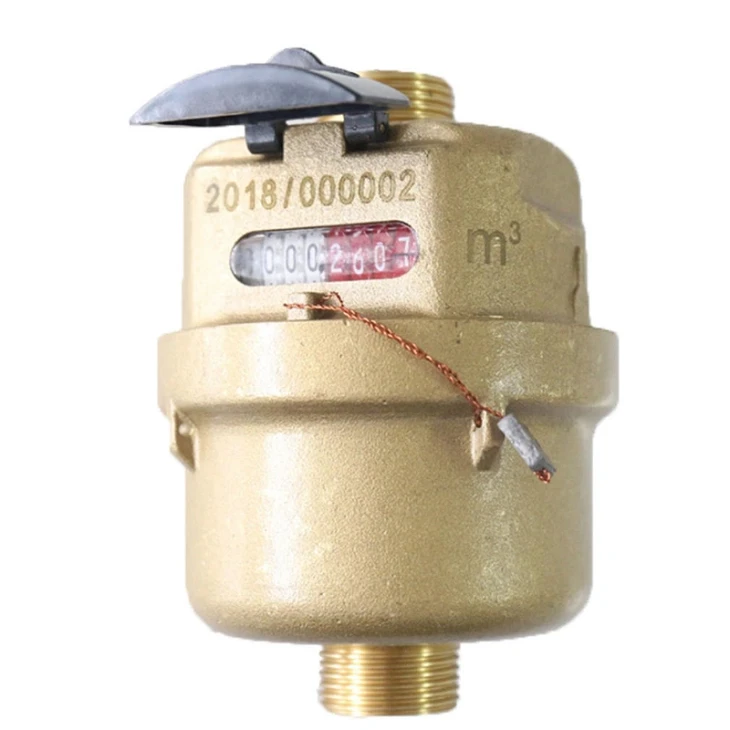
In some cases, the weight can also limit where the meter can be installed. For example, if you're trying to install it in a location with limited space or a weak support structure, the heavy brass meter might not be the best choice.
4. Sensitivity to Water Quality
Brass Volumetric Rotary Piston Water Meters are very sensitive to the quality of the water they measure. If the water contains a lot of sediment, sand, or other debris, it can cause problems for the meter. The debris can get stuck in the moving parts of the meter, such as the piston or the gears, and prevent them from working properly.
This means that in areas with poor water quality, you might need to install additional filtration systems to protect the meter. These filtration systems add to the overall cost and complexity of the water metering setup.
5. Maintenance Requirements
Maintaining a Brass Volumetric Rotary Piston Water Meter can be a bit of a hassle. Due to the potential for corrosion and wear, regular maintenance is essential to keep the meter working accurately. This might involve disassembling the meter, cleaning the internal components, and checking for any signs of damage.
The maintenance process can be time - consuming and requires some technical expertise. If you don't have the right skills or tools, you might need to hire a professional, which adds to the cost of using the meter.
6. Limited Temperature Range
Brass meters have a limited temperature range in which they can operate effectively. Extreme temperatures, either hot or cold, can affect the performance of the meter. In very cold temperatures, the water inside the meter can freeze, which can cause the brass to crack or the internal components to break.
On the other hand, in very hot temperatures, the brass can expand, which can also lead to inaccuracies in the meter readings. This means that in areas with extreme temperature variations, you need to take extra precautions to protect the meter, such as insulating it or installing it in a temperature - controlled environment.
7. Compatibility Issues
Sometimes, Brass Volumetric Rotary Piston Water Meters can have compatibility issues with other components in the water system. For example, if you're using a different type of pipe material or a specific water treatment system, the brass meter might not work well with them.
These compatibility issues can lead to leaks, reduced performance, or even damage to the meter. It's important to carefully consider the entire water system when choosing a meter to avoid these problems.
Is It Still Worth It?
Despite these disadvantages, Brass Volumetric Rotary Piston Water Meters still have their place in the market. They are known for their durability and accuracy under normal operating conditions. If you're in an area with good water quality, a stable temperature range, and you're willing to invest in proper maintenance, a brass meter can be a reliable choice.
If you're interested in learning more about our Brass Volumetric Rotary Piston Water Meter or have any questions about the pros and cons, feel free to reach out. We're here to help you make the best decision for your water metering needs. Whether you're a homeowner, a business owner, or a water utility provider, we can work with you to find the right solution.
References
- Water Meter Handbook: A Guide to Selection, Installation, and Maintenance
- Journal of Water Resources Management: Studies on Water Meter Performance and Durability
So, if you're thinking about purchasing a water meter, weigh the pros and cons carefully. And if you decide that a Brass Volumetric Rotary Piston Water Meter is the right fit for you, don't hesitate to contact us for more information and to start the procurement process. We're ready to assist you every step of the way.