

As a supplier of Brass Volumetric Rotary Piston Water Meters, I'm often asked about the installation process. In this blog post, I'll guide you through the steps of installing a brass volumetric rotary piston water meter, ensuring accurate water measurement and long - term reliability.
1. Pre - installation Preparation
Before you start the installation, it's crucial to gather all the necessary tools and materials. You'll need a pipe cutter, adjustable wrenches, Teflon tape, a measuring tape, and of course, the Brass Volumetric Rotary Piston Water Meter itself. You can find more information about our Brass Volumetric Rotary Piston Water Meter on our website.
Inspect the water meter carefully for any signs of damage during transit. Check the inlet and outlet connections, the dial face, and the overall body of the meter. If you notice any cracks, dents, or other visible damage, contact us immediately for a replacement.
Measure the pipe where the water meter will be installed. Ensure that the pipe diameter matches the inlet and outlet size of the water meter. If the pipe size is different, you may need to use reducers or adapters, which should be of high - quality to prevent leaks.
2. Shut - off the Water Supply
Locate the main water shut - off valve for your property. This valve is usually found near the water meter or at the point where the water line enters your building. Turn the valve clockwise until it is fully closed. This will stop the flow of water to the area where you'll be installing the water meter.
Open a few faucets in your building to relieve the pressure in the pipes. This step is important as it reduces the risk of water spraying out when you cut the pipe.
3. Cut the Pipe
Use a pipe cutter to cut the pipe at the appropriate location for the water meter installation. Make sure the cut is clean and straight. A jagged or uneven cut can lead to poor connections and potential leaks.
Measure the length of the pipe section that you've cut out. The length should be slightly longer than the overall length of the water meter to allow for the installation of gaskets and fittings.
4. Prepare the Pipe Ends
Clean the cut ends of the pipe thoroughly. Remove any burrs, dirt, or debris using a file or sandpaper. This will ensure a proper seal when the water meter is connected.
Wrap Teflon tape around the male threads of the pipe ends. Start from the end of the threads and wrap the tape in a clockwise direction. Make sure to wrap the tape tightly and evenly for about 3 - 4 turns. The Teflon tape helps to create a watertight seal and prevents leaks.
5. Install the Water Meter
Place the water meter between the cut pipe ends. Align the inlet and outlet of the water meter with the pipe ends. Make sure the water flow direction indicated on the water meter matches the actual flow direction in the pipe.

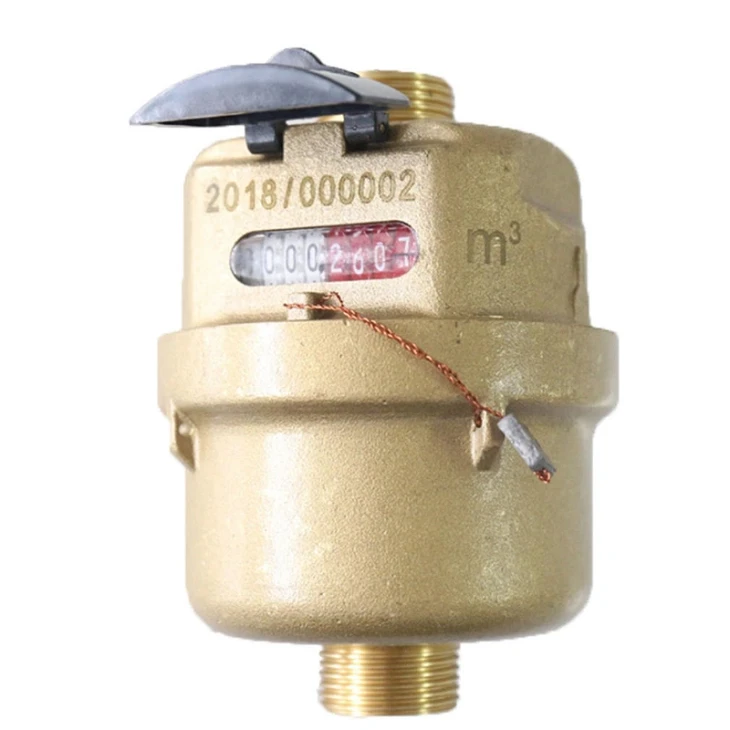
Attach the gaskets to the inlet and outlet of the water meter. Gaskets are essential for creating a tight seal and preventing water from leaking out.
Use adjustable wrenches to tighten the nuts on the water meter connections. Do not over - tighten, as this can damage the water meter or the pipe. Tighten the nuts until they are snug, but be careful not to apply excessive force.
6. Check for Leaks
Once the water meter is installed, slowly turn on the main water shut - off valve. Check all the connections around the water meter for any signs of leaks. Look for water dripping or pooling around the joints.
If you notice a leak, turn off the water supply again and tighten the connection further. If the leak persists, you may need to remove the connection, re - apply Teflon tape, and reinstall it.
7. Final Checks
After ensuring that there are no leaks, check the water meter dial to make sure it is functioning properly. Open a faucet and observe the movement of the dial. The dial should rotate as water flows through the meter.
Check the accuracy of the water meter reading. You can do this by filling a known - volume container (such as a 5 - gallon bucket) with water and comparing the amount of water measured by the meter with the actual volume of the container.
Comparison with Plastic Volumetric Rotary Piston Water Meters
While we primarily supply Brass Volumetric Rotary Piston Water Meters, it's worth mentioning Plastic Volumetric Rotary Piston Water Meter. Plastic water meters are generally lighter and more affordable than brass ones. However, brass water meters are more durable and resistant to corrosion, especially in areas with hard water or aggressive water chemistry. They also tend to have a longer lifespan and can withstand higher pressures.
8. Commissioning the Water Meter
After completing the installation and leak checks, the water meter is ready for commissioning. This involves ensuring that the meter is properly calibrated and that it accurately measures the water flow.
If the water meter has a registration mechanism, make sure it is set to zero or the correct initial reading. Some modern water meters may require electronic calibration, which can be done using specialized equipment.
9. Maintenance Considerations
Regular maintenance is essential to keep your brass volumetric rotary piston water meter in good working condition. Check the meter periodically for any signs of damage, such as cracks in the body or a malfunctioning dial.
Clean the outside of the water meter to remove dirt and debris. This will help to maintain the visibility of the dial and prevent any damage to the meter's components.
If you notice any issues with the water meter, such as inaccurate readings or leaks, contact us immediately. We have a team of experts who can provide you with technical support and assistance.
Contact Us for Purchase and Consultation
If you're interested in purchasing a Brass Volumetric Rotary Piston Water Meter or have any questions about the installation process, we're here to help. Our products are of the highest quality, and we offer competitive prices. Whether you're a homeowner, a contractor, or a business owner, we can provide you with the right water meter solution for your needs.
References
- "Water Meter Installation Guide" - Industry - standard handbook on water meter installation
- "Brass and Plastic Water Meter Comparison" - Research report on the performance and durability of different water meter materials