

Installing a 1/2" water meter in a high - rise building requires careful planning, adherence to safety protocols, and a solid understanding of the plumbing system. As a reputable 1/2" water meter supplier, I am here to guide you through the process step by step.
Pre - installation Preparations
1. Site Inspection
Before you start the installation, conduct a thorough site inspection. In high - rise buildings, water meters are often installed in utility rooms or dedicated meter closets. Check the space to ensure it is clean, dry, and well - ventilated. Measure the available space to confirm that the 1/2" water meter can fit properly. Also, identify the location of the main water supply line where the meter will be installed. This line is usually made of copper, PVC, or PEX, and its material will influence the installation method.
2. Gather Tools and Materials
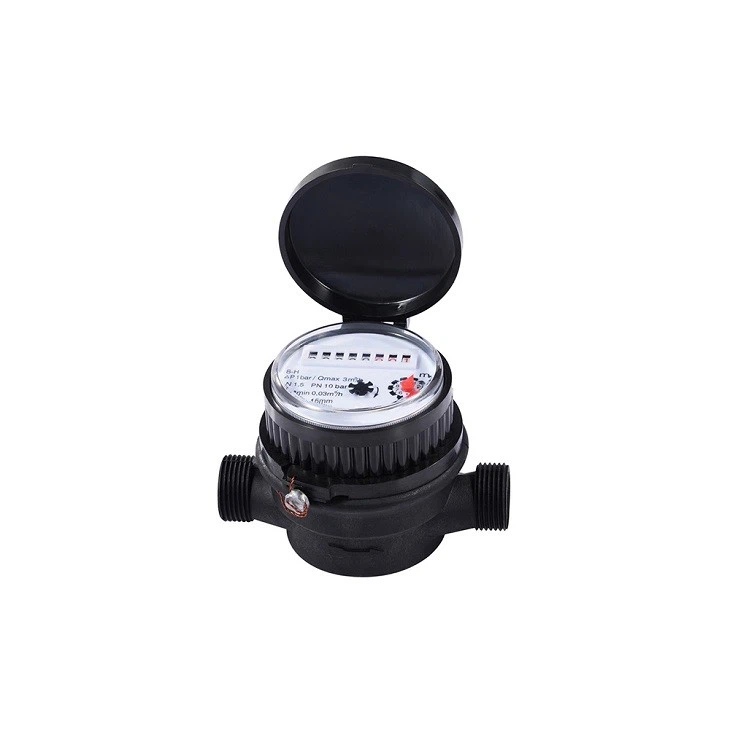
You will need a variety of tools for the installation, including pipe wrenches, a hacksaw (if cutting pipes), Teflon tape, a pipe cutter (for PVC or PEX pipes), and a pressure gauge. Make sure you have the correct size of pipe fittings to connect the water meter to the existing plumbing system. As a 1/2" water meter supplier, we offer different types of 1/2" water meters, such as the Russian Market Single Jet Water Meter, Plastic Single Jet Water Meter, and Brass Single Jet Water Meter. Choose the one that suits your building's requirements.
3. Shut Off the Water Supply
Locate the main water shut - off valve for the high - rise building. This valve is typically found near the building's water source, such as the street - side water main connection. Turn the valve clockwise to shut off the water supply completely. Open a few faucets on different floors to relieve the pressure in the pipes.
Installation Steps
1. Cut the Pipe
If necessary, use a hacksaw or a pipe cutter to cut the main water supply line at the location where the water meter will be installed. Make sure the cut is straight and clean. For copper pipes, use a pipe cutter for a precise cut. For PVC or PEX pipes, a simple pipe cutter can do the job.

2. Prepare the Pipe Ends
Deburr the cut ends of the pipes to remove any rough edges. Wrap Teflon tape around the male threads of the pipe fittings in a clockwise direction. This will create a watertight seal when the fittings are connected.
3. Install the Water Meter
Connect the water meter to the pipe fittings. Make sure the flow direction arrow on the water meter aligns with the direction of water flow in the pipe. Use pipe wrenches to tighten the connections, but be careful not to over - tighten, as this can damage the pipes or the water meter.
4. Connect the Bypass Valve (Optional)
In some high - rise buildings, it is recommended to install a bypass valve. A bypass valve allows water to flow around the water meter during maintenance or in case of a meter malfunction. Connect the bypass valve to the water meter and the main water supply line using the appropriate pipe fittings.
5. Test the Installation
Once the water meter is installed, slowly turn on the main water shut - off valve. Check for any leaks at the connections. Use a pressure gauge to measure the water pressure in the system. The normal water pressure in a high - rise building should be between 40 - 80 psi. If there are any leaks, tighten the connections or replace the Teflon tape.
Post - installation Considerations
1. Calibration
After the installation, the water meter may need to be calibrated. Calibration ensures that the water meter accurately measures the water consumption. Follow the manufacturer's instructions for calibration, which may involve adjusting a calibration screw or using a calibration tool.
2. Documentation
Keep a record of the water meter installation, including the date of installation, the type of water meter used, and the calibration results. This documentation will be useful for future maintenance and auditing purposes.
3. Maintenance
Regular maintenance is essential to ensure the proper functioning of the water meter. Check the water meter periodically for any signs of damage or malfunction. Clean the water meter if necessary, and replace any worn - out parts.
Why Choose Our 1/2" Water Meters
As a 1/2" water meter supplier, we take pride in offering high - quality water meters that are accurate, reliable, and durable. Our Russian Market Single Jet Water Meter is designed to meet the specific requirements of the Russian market, with a robust construction and high - precision measurement. The Plastic Single Jet Water Meter is lightweight and corrosion - resistant, making it suitable for a variety of applications. The Brass Single Jet Water Meter offers excellent durability and is ideal for high - pressure environments.
If you are planning to install a 1/2" water meter in a high - rise building, we are here to provide you with the best products and professional advice. Our team of experts can assist you in choosing the right water meter for your building and guide you through the installation process. Contact us today to start the procurement process and discuss your specific needs. We look forward to serving you and helping you ensure accurate water measurement in your high - rise building.
References
- Plumbing Installation Handbook for High - Rise Buildings.
- Manufacturer's Manuals for 1/2" Water Meters.