

Water quality is a crucial factor that significantly impacts the performance and lifespan of cold water meters. As a dedicated cold water meter supplier, I've witnessed firsthand how different water qualities can cause various issues and challenges for these essential measuring devices. In this blog, we'll delve into the intricate relationship between water quality and cold water meters, exploring the potential problems and solutions.
Understanding Cold Water Meters
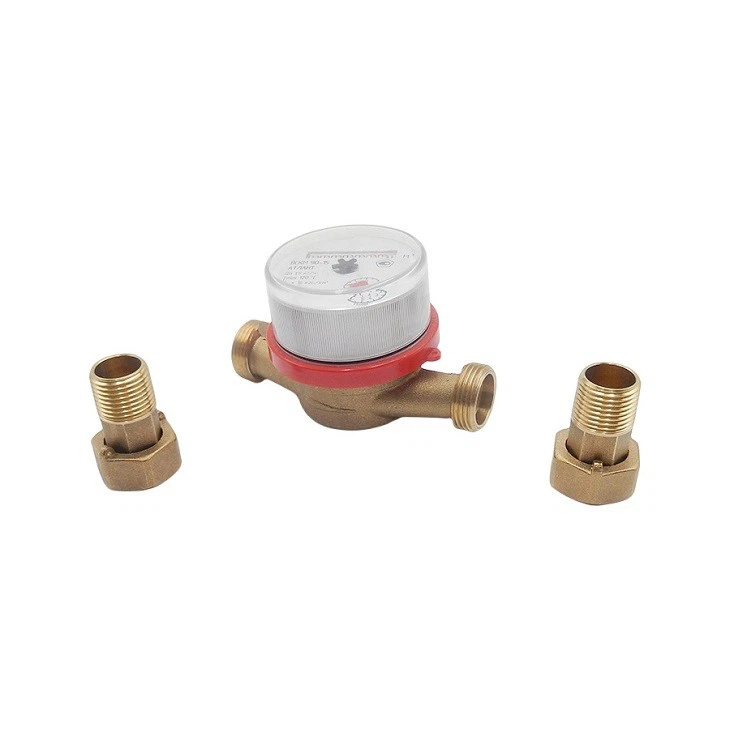
Before we discuss the impact of water quality, it's essential to understand how cold water meters work. Cold water meters are devices used to measure the volume of water passing through a pipeline. They are commonly installed in residential, commercial, and industrial buildings to monitor water consumption accurately. There are different types of cold water meters, including single jet water meters, multi-jet water meters, and electromagnetic water meters. Among them, single jet water meters are widely used due to their simplicity, reliability, and cost-effectiveness.
Types of Water Quality Issues
Water quality can vary significantly depending on the source and treatment processes. Some common water quality issues that can affect cold water meters include:
Sediment and Particles
Sediment and particles in water can come from various sources, such as soil erosion, rust from pipes, and debris in the water supply system. These particles can accumulate inside the cold water meter, causing blockages and reducing the accuracy of the meter readings. Over time, the sediment can also wear down the internal components of the meter, leading to premature failure.
Corrosion
Corrosion is a chemical reaction that occurs when metals come into contact with water and oxygen. In water systems, corrosion can be caused by factors such as high acidity or alkalinity, the presence of certain chemicals, and the type of metal used in the pipes and meters. Corrosion can damage the internal components of the cold water meter, such as the impeller and the measuring chamber, leading to inaccurate readings and potential leaks.
Scale Deposits
Scale deposits are formed when minerals in the water, such as calcium and magnesium, precipitate out of the water and form a hard, crusty layer on the surfaces of the pipes and meters. Scale deposits can reduce the flow of water through the meter, causing inaccurate readings and increasing the pressure drop across the meter. In severe cases, scale deposits can completely block the meter, rendering it inoperable.

Biological Growth
Biological growth, such as algae, bacteria, and fungi, can occur in water systems that are not properly maintained. These organisms can attach themselves to the internal surfaces of the cold water meter, causing blockages and reducing the accuracy of the meter readings. Biological growth can also produce slime and other substances that can corrode the meter components and affect the water quality.
Impact of Water Quality on Cold Water Meters
The presence of sediment, corrosion, scale deposits, and biological growth in water can have several adverse effects on cold water meters:
Reduced Accuracy
One of the most significant impacts of water quality on cold water meters is the reduction in accuracy. Sediment, scale deposits, and biological growth can interfere with the movement of the impeller or other measuring components of the meter, causing inaccurate readings. This can lead to overbilling or underbilling of water consumers, which can be a significant financial burden for both the consumers and the water utility companies.
Premature Failure
Water quality issues can also cause premature failure of cold water meters. Corrosion, scale deposits, and biological growth can damage the internal components of the meter, such as the impeller, the bearings, and the seals. Over time, this damage can lead to the failure of the meter, requiring costly repairs or replacements.
Increased Maintenance Costs
Cold water meters that are exposed to poor water quality require more frequent maintenance and cleaning to ensure accurate readings and prevent premature failure. This can increase the maintenance costs for water utility companies and building owners, as they need to allocate more resources to inspect, clean, and repair the meters.
Solutions to Mitigate the Impact of Water Quality
To mitigate the impact of water quality on cold water meters, several solutions can be implemented:
Water Treatment
Water treatment is the most effective way to improve water quality and reduce the risk of damage to cold water meters. Water treatment processes, such as filtration, sedimentation, and disinfection, can remove sediment, particles, and biological contaminants from the water, reducing the likelihood of blockages and corrosion in the meters. Water treatment can also adjust the pH and hardness of the water to prevent scale deposits from forming.
Meter Selection
Choosing the right type of cold water meter for the specific water quality conditions is crucial. For example, in areas with high sediment or scale deposits, a meter with a larger flow path and a self-cleaning mechanism may be more suitable. Similarly, in areas with high corrosion potential, a meter made of corrosion-resistant materials, such as brass or stainless steel, may be preferred. At our company, we offer a wide range of cold water meters, including the Russian Market Single Jet Water Meter, Brass Single Jet Water Meter, and Wet Brass Single Jet Water Meter, which are designed to withstand different water quality conditions.
Regular Maintenance and Inspection
Regular maintenance and inspection of cold water meters are essential to ensure accurate readings and prevent premature failure. Water utility companies and building owners should establish a maintenance schedule to clean, calibrate, and inspect the meters regularly. This can help detect and address any issues early on, reducing the risk of damage and ensuring the reliable operation of the meters.
Conclusion
Water quality plays a critical role in the performance and lifespan of cold water meters. Poor water quality can cause a range of issues, including reduced accuracy, premature failure, and increased maintenance costs. To mitigate the impact of water quality on cold water meters, water treatment, proper meter selection, and regular maintenance and inspection are essential. As a cold water meter supplier, we are committed to providing high-quality meters that are designed to withstand different water quality conditions. If you are interested in purchasing cold water meters or have any questions about water quality and meter performance, please feel free to contact us for more information and to discuss your specific requirements.
References
- American Water Works Association. (2019). Water Quality and Treatment: A Handbook of Community Water Supplies. McGraw-Hill Education.
- International Organization for Standardization. (2018). ISO 4064-1:2018 - Water meters for cold potable water and hot water - Part 1: Meters for cold potable water.
- Water Research Foundation. (2017). The Impact of Water Quality on Water Meter Performance.