

In the modern era of water management, the integration of advanced technologies has become a key focus for many industries and municipalities. One question that often arises is whether a plastic volumetric rotary piston water meter can be connected to a smart water management system. As a supplier of Plastic Volumetric Rotary Piston Water Meter, I am well - versed in this topic and will delve into the details in this blog.
Understanding Plastic Volumetric Rotary Piston Water Meters
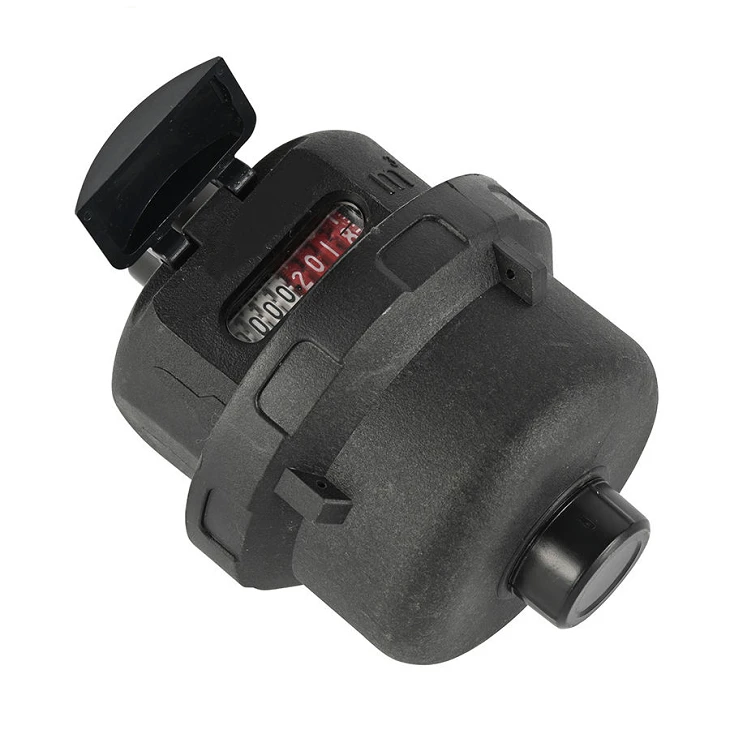
Plastic volumetric rotary piston water meters are a type of positive displacement water meters. They operate on the principle of measuring the volume of water passing through them by using a rotary piston mechanism. The piston rotates as water flows through the meter, and each rotation corresponds to a specific volume of water. These meters are known for their high accuracy, especially in measuring small to medium - sized water flows.
The use of plastic in these meters offers several advantages. Plastic is lightweight, corrosion - resistant, and relatively inexpensive compared to other materials like brass. This makes plastic volumetric rotary piston water meters a popular choice for residential and some commercial applications. For instance, in areas where water quality is not extremely harsh and the flow rate is relatively stable, plastic meters can provide reliable and cost - effective water measurement solutions.
Smart Water Management Systems: An Overview
Smart water management systems are designed to optimize water usage, detect leaks, and improve overall water distribution efficiency. These systems typically consist of sensors, communication networks, and data analytics platforms. Sensors installed at various points in the water distribution network collect data on water flow, pressure, and quality. This data is then transmitted via communication networks (such as Wi - Fi, LoRaWAN, or cellular networks) to a central data analytics platform.
The analytics platform processes the data and provides insights to water managers. For example, it can detect abnormal water flow patterns that may indicate a leak, or it can predict future water demand based on historical data. By using these insights, water managers can make informed decisions about water distribution, conservation, and infrastructure maintenance.
Compatibility of Plastic Volumetric Rotary Piston Water Meters with Smart Systems
The good news is that plastic volumetric rotary piston water meters can indeed be connected to smart water management systems. There are several ways to achieve this integration:
1. Pulse Output
Most modern plastic volumetric rotary piston water meters are equipped with a pulse output feature. A pulse is generated each time a certain volume of water passes through the meter. This pulse can be counted by a smart meter interface unit (MIU). The MIU then converts the pulse count into a digital signal and transmits it to the smart water management system. This method is relatively simple and cost - effective, as it only requires the addition of a MIU to the existing meter.
2. Wireless Communication Modules
Some plastic water meters can be fitted with wireless communication modules. These modules, such as LoRaWAN or ZigBee, allow the meter to communicate directly with the smart water management system without the need for a separate MIU. The advantage of wireless communication is that it eliminates the need for complex wiring, making installation easier and more flexible.
3. Smart Metering Technologies
There are also emerging smart metering technologies that are specifically designed for water meters. These technologies can be integrated into plastic volumetric rotary piston water meters during the manufacturing process. For example, some meters are now being developed with built - in sensors that can measure not only water volume but also other parameters such as temperature and water quality. These smart meters can communicate directly with the smart water management system, providing a more comprehensive view of the water usage and distribution.
Benefits of Connecting Plastic Water Meters to Smart Systems
Connecting plastic volumetric rotary piston water meters to smart water management systems offers several benefits:
1. Real - Time Monitoring
With a smart system, water usage can be monitored in real - time. This allows consumers to track their water consumption and make adjustments to their usage habits. For water utilities, real - time monitoring enables them to detect leaks and other issues immediately, reducing water loss and improving system efficiency.

2. Leak Detection
Smart systems can analyze the water flow data from the meters to detect leaks. Even small leaks can be identified early, preventing significant water loss over time. This is particularly important in areas where water is a scarce resource.
3. Data - Driven Decision Making
The data collected from the connected water meters can be used for data - driven decision making. Water utilities can use the data to optimize their water distribution networks, plan for future infrastructure upgrades, and implement effective water conservation measures.
Considerations and Challenges
While the compatibility of plastic volumetric rotary piston water meters with smart systems is promising, there are some considerations and challenges to keep in mind:
1. Water Quality
Although plastic is generally corrosion - resistant, extremely harsh water quality can still affect the performance of plastic meters over time. For example, water with high levels of dissolved solids or chemicals may cause the plastic to degrade, which could potentially affect the accuracy of the meter and its ability to communicate with the smart system.
2. Communication Range and Signal Strength
When using wireless communication modules, the range and signal strength can be a challenge. In some areas, obstacles such as buildings or trees may interfere with the wireless signal, leading to data transmission issues. It is important to carefully plan the installation of the meters and the communication infrastructure to ensure reliable data transfer.
3. Cost
The cost of integrating plastic water meters with smart systems can be a concern, especially for small - scale applications. The additional components such as MIUs or wireless communication modules add to the overall cost of the meter. However, in the long run, the benefits of real - time monitoring and leak detection may outweigh the initial investment.
Comparison with Brass Volumetric Rotary Piston Water Meters
In comparison to Brass Volumetric Rotary Piston Water Meter, plastic meters have their own set of advantages and disadvantages when it comes to integration with smart systems.
Brass meters are generally more durable and can withstand harsher water conditions. They may be a better choice for industrial applications or areas with poor water quality. However, brass meters are heavier and more expensive than plastic meters.
When it comes to smart system integration, both types of meters can be connected using similar methods. The choice between plastic and brass meters often depends on the specific requirements of the application, such as water quality, budget, and expected lifespan of the meter.
Conclusion
In conclusion, plastic volumetric rotary piston water meters can be effectively connected to smart water management systems. The integration offers numerous benefits such as real - time monitoring, leak detection, and data - driven decision making. While there are some considerations and challenges, these can be addressed with proper planning and technology selection.
If you are interested in exploring the possibilities of using plastic volumetric rotary piston water meters in your smart water management system, I encourage you to reach out for more information. Our team of experts is ready to assist you in finding the best solutions for your specific needs. Whether you are a water utility, a building manager, or an individual looking to manage your water usage more efficiently, we can provide you with high - quality products and professional advice.
References
- "Water Metering Handbook" by the American Water Works Association
- "Smart Water Networks: Technologies and Applications" by various authors in the field of water management research