

As a supplier of cold water meters, I often encounter inquiries from customers in areas with intermittent water supply. They wonder if our cold water meters can be used effectively in such challenging environments. In this blog post, I will delve into this question, exploring the technical aspects, potential issues, and solutions related to using cold water meters in areas with intermittent water supply.
Understanding Intermittent Water Supply
Intermittent water supply is a common problem in many regions around the world, especially in developing countries or areas with aging water infrastructure. It refers to a situation where water is available only for certain periods of time, rather than continuously. This can be due to various reasons, such as water shortages, maintenance work, or poor water management.
The intermittent nature of water supply can pose several challenges for water meters. For example, when the water supply is cut off, the pressure in the pipes drops suddenly, which can cause the water meter to stop working or even damage its internal components. Additionally, air can enter the pipes during the periods of no water supply, which can also affect the accuracy of the water meter readings.
Technical Features of Cold Water Meters
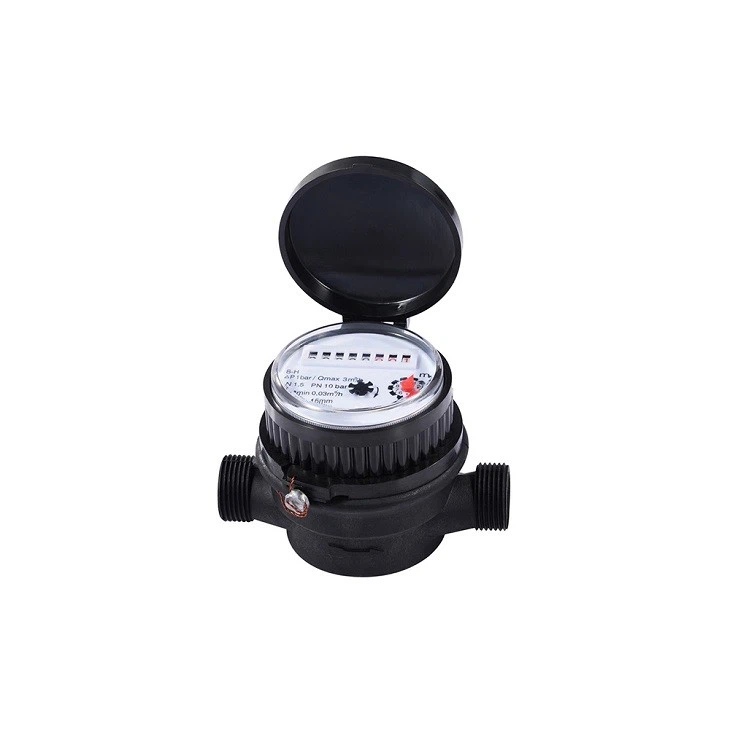
Before discussing whether cold water meters can be used in areas with intermittent water supply, it is important to understand the technical features of these meters. Cold water meters are designed to measure the volume of cold water flowing through a pipe. They typically consist of a measuring chamber, a mechanism for converting the water flow into a measurable signal, and a display unit for showing the water consumption.
Most cold water meters are based on the principle of positive displacement or velocity measurement. Positive displacement meters measure the volume of water by trapping and releasing a fixed amount of water in each cycle. Velocity meters, on the other hand, measure the speed of the water flow and calculate the volume based on the cross-sectional area of the pipe.
Our company offers a variety of cold water meters, including Plastic Single Jet Water Meter, Russian Market Single Jet Water Meter, and Wet Brass Single Jet Water Meter. These meters are designed to meet different customer needs and applications, and they have been tested and certified to ensure their accuracy and reliability.
Challenges of Using Cold Water Meters in Areas with Intermittent Water Supply
While cold water meters are generally reliable and accurate, using them in areas with intermittent water supply can present some challenges. Here are some of the potential issues:
1. Air in the Pipes
As mentioned earlier, air can enter the pipes during the periods of no water supply. When the water supply is restored, the air can cause the water meter to malfunction or give inaccurate readings. This is because air is compressible, and it can affect the flow of water through the meter.
2. Pressure Fluctuations
Intermittent water supply can also cause significant pressure fluctuations in the pipes. When the water supply is cut off, the pressure drops suddenly, and when it is restored, the pressure can rise rapidly. These pressure fluctuations can put stress on the water meter and its internal components, which can lead to damage or premature wear.
3. Water Hammer
Water hammer is a phenomenon that occurs when the flow of water in a pipe is suddenly stopped or changed. It can cause a shock wave to travel through the pipe, which can damage the water meter and other plumbing fixtures. In areas with intermittent water supply, water hammer is more likely to occur due to the sudden start and stop of the water flow.
Solutions for Using Cold Water Meters in Areas with Intermittent Water Supply
Despite the challenges, there are several solutions that can help ensure the reliable operation of cold water meters in areas with intermittent water supply. Here are some of the recommended measures:
1. Air Release Valves
Installing air release valves in the water pipes can help remove the air that enters the pipes during the periods of no water supply. These valves are designed to open automatically when the pressure in the pipe drops, allowing the air to escape. This can prevent the air from causing problems with the water meter.
2. Pressure Regulators
Pressure regulators can be installed in the water system to control the pressure fluctuations. These devices are designed to maintain a constant pressure in the pipes, regardless of the changes in the water supply. By reducing the pressure fluctuations, pressure regulators can help protect the water meter from damage.
3. Water Hammer Arrestors
Water hammer arrestors are devices that are installed in the water pipes to absorb the shock waves caused by water hammer. They work by providing a cushion of air or a spring-loaded mechanism that can absorb the energy of the shock wave. By installing water hammer arrestors, the risk of damage to the water meter and other plumbing fixtures can be reduced.
4. Selecting the Right Water Meter
When choosing a water meter for an area with intermittent water supply, it is important to select a meter that is designed to withstand the challenges of such an environment. Our company offers a range of water meters that are specifically designed for use in areas with intermittent water supply. These meters are equipped with features such as anti-air devices, pressure compensation, and shock resistance, which can help ensure their reliable operation.

Conclusion
In conclusion, while using cold water meters in areas with intermittent water supply can present some challenges, it is possible to overcome these challenges by taking the appropriate measures. By installing air release valves, pressure regulators, and water hammer arrestors, and by selecting the right water meter, the reliable operation of cold water meters can be ensured in such environments.
As a supplier of cold water meters, we are committed to providing our customers with high-quality products and solutions that meet their specific needs. If you are interested in purchasing our cold water meters or have any questions about using them in areas with intermittent water supply, please do not hesitate to contact us. We will be happy to assist you with your procurement and answer any questions you may have.
References
- American Water Works Association. (2019). Water Metering Manual.
- International Organization for Standardization. (2018). ISO 4064:2018 - Water meters for cold potable water and hot water.
- Water Research Foundation. (2017). Best Practices for Water Metering.