

Hey there! As a supplier of irrigation water meters, I often get asked about the special installation requirements for these nifty devices. So, I thought I'd sit down and write this blog to share all the ins and outs with you.
First off, let's talk about why an irrigation water meter is so important. Whether you're a farmer with a large - scale agricultural operation or a homeowner with a beautiful garden, knowing how much water you're using for irrigation is crucial. It helps you manage your water resources efficiently, save on water bills, and ensure that your plants are getting just the right amount of H2O.
Now, onto the installation requirements. One of the most basic things to consider is the location. The meter should be installed in a place that's easily accessible. You don't want to have to dig through a mountain of dirt or move a bunch of heavy equipment every time you need to read or maintain the meter. A well - lit and dry area is ideal. If it's installed outdoors, make sure it's protected from extreme weather conditions like heavy rain, snow, or direct sunlight for long periods. You can use a meter box or a shelter to safeguard it.
Another key requirement is the orientation of the meter. Most irrigation water meters are designed to work in a specific flow direction. You need to install it in such a way that the water flows through the meter in the direction indicated by the arrow on the meter body. Installing it backwards can lead to inaccurate readings and may even damage the meter over time.
When it comes to the pipes, there are some important things to keep in mind. The pipes connected to the meter should be of the right size. Using pipes that are too small can cause high - pressure drops, which can affect the meter's performance. On the other hand, pipes that are too large may result in low - velocity flow, also leading to inaccurate measurements. It's best to follow the manufacturer's recommendations regarding pipe sizing.
You also need to ensure that the pipes are clean before installing the meter. Any debris, dirt, or rust in the pipes can clog the meter and disrupt its normal operation. You can flush the pipes thoroughly with water to remove any contaminants.
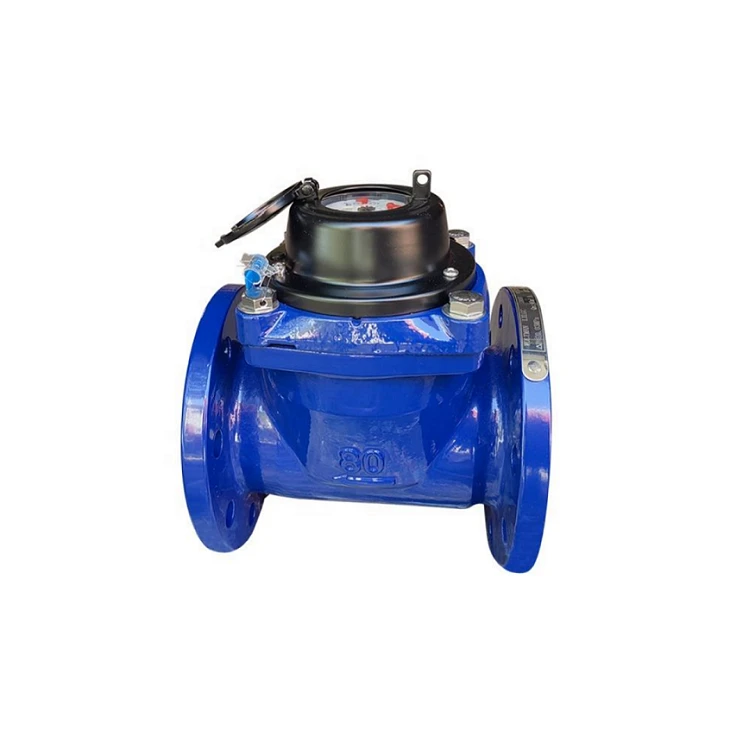
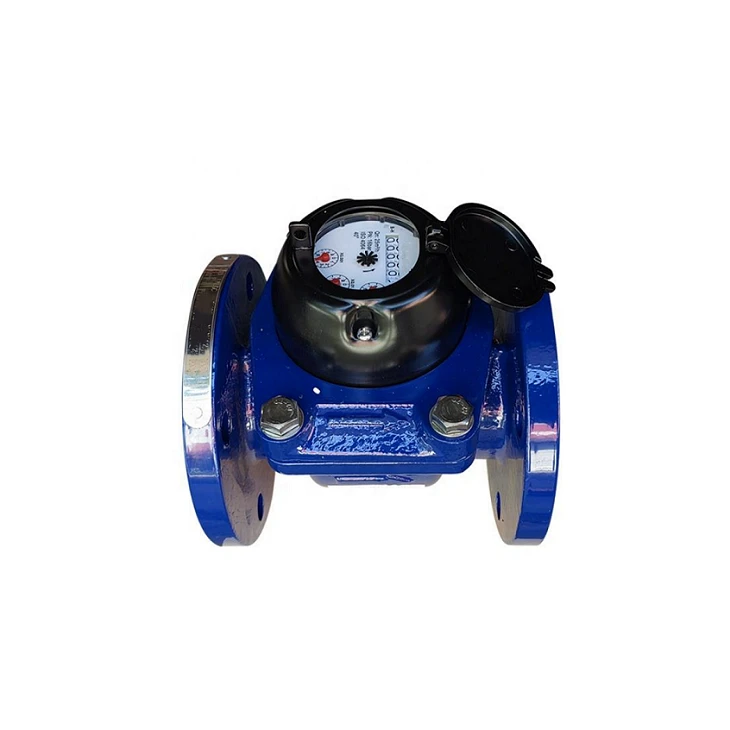
Let's talk about the type of irrigation water meter. There are different kinds out there, like the Mechanical Irrigation Water Meter. Mechanical meters have moving parts that measure the water flow. For these meters, it's important to have a stable and vibration - free installation. Vibration can cause the moving parts to wear out faster and can also lead to inaccurate readings. You can use pipe supports and isolators to reduce vibration.
Electronic irrigation water meters, on the other hand, rely on sensors to measure water flow. These meters are more sensitive to electrical interference. When installing an electronic meter, make sure it's away from sources of electrical noise, such as motors, transformers, or power lines. You may also need to use proper grounding to protect the meter from electrical surges.
In addition to the above, you need to consider the pressure in the water system. Most irrigation water meters are designed to work within a certain pressure range. If the pressure in your system is too high or too low, it can affect the meter's accuracy and durability. You may need to install pressure - regulating valves to ensure that the pressure remains within the acceptable range for the meter.
Now, let's touch on the installation process itself. It's always a good idea to have a professional do the installation if you're not experienced with plumbing and meter installation. A professional installer will have the tools and knowledge to ensure that the meter is installed correctly. They'll also be able to troubleshoot any issues that may arise during the installation.
If you do decide to install the meter yourself, make sure you have all the necessary tools. You'll need things like wrenches, pipe cutters, and sealants. Follow the installation instructions provided by the manufacturer carefully. And don't forget to test the meter after installation to make sure it's working properly.
Once the meter is installed, regular maintenance is essential. Check the meter periodically for any signs of damage, leaks, or blockages. Clean the meter as recommended by the manufacturer to keep it in good working condition.
So, to sum it up, there are definitely some special installation requirements for an irrigation water meter. Location, orientation, pipe size, cleanliness, and protection from various factors like weather, vibration, and electrical interference all play important roles. Whether you choose a Mechanical Irrigation Water Meter or an electronic one, following the right installation procedures is crucial for accurate and reliable water measurement.
If you're in the market for an irrigation water meter, we've got a wide range of options to suit your needs. Our meters are high - quality, accurate, and built to last. Whether you're a small - scale gardener or a large - scale farmer, we can help you find the perfect meter for your irrigation system.
We're always here to answer any questions you may have about installation, operation, or maintenance. If you're interested in purchasing an irrigation water meter, don't hesitate to reach out to us. We'd love to have a chat with you and discuss your specific requirements. We can work together to ensure that you get the best solution for your water - measuring needs.
References:
- General knowledge from years of experience in the irrigation water meter industry.
- Manufacturer's installation and operation manuals for various irrigation water meters.